End Short Fields. Race The Boys Against The Girls.

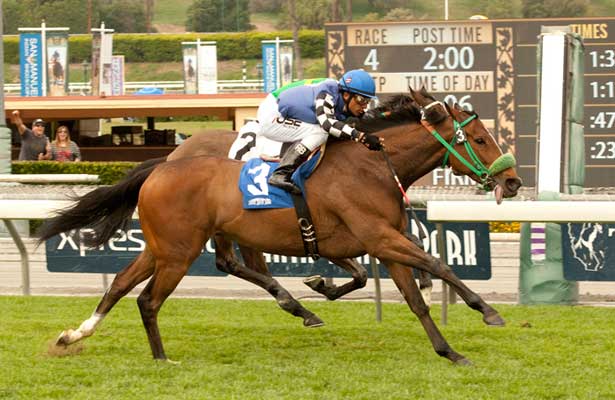
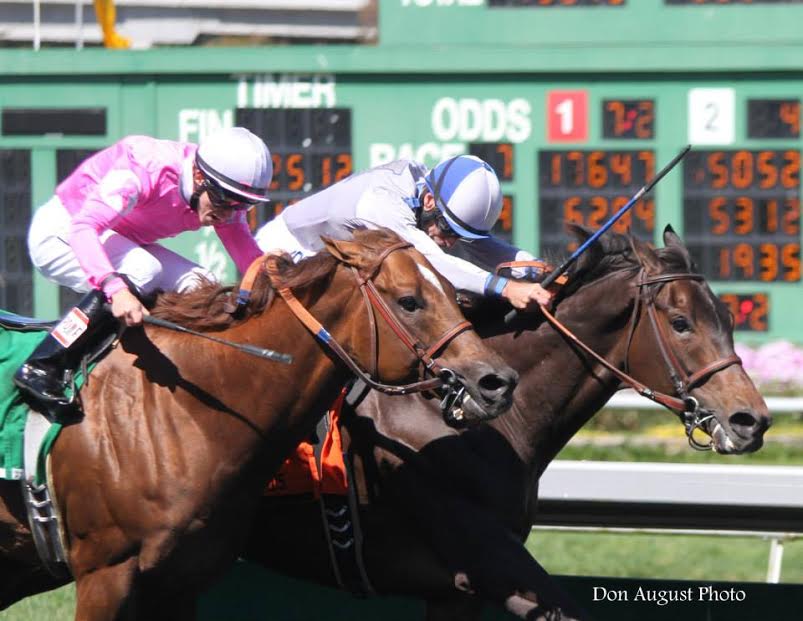
AQWhen the gutsy filly Arabian Queen beat the John Gosden trained English Derby winner Golden Horn in the Grade 1 Juddmonte International run at York, England it was quite a surprise. The female three year old was a 50-1 longshot, while Golden Horn was the heavy 4-9 favorite to take the $800,000 first prize pot.


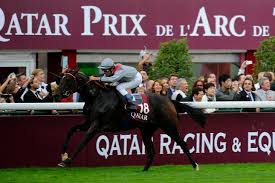
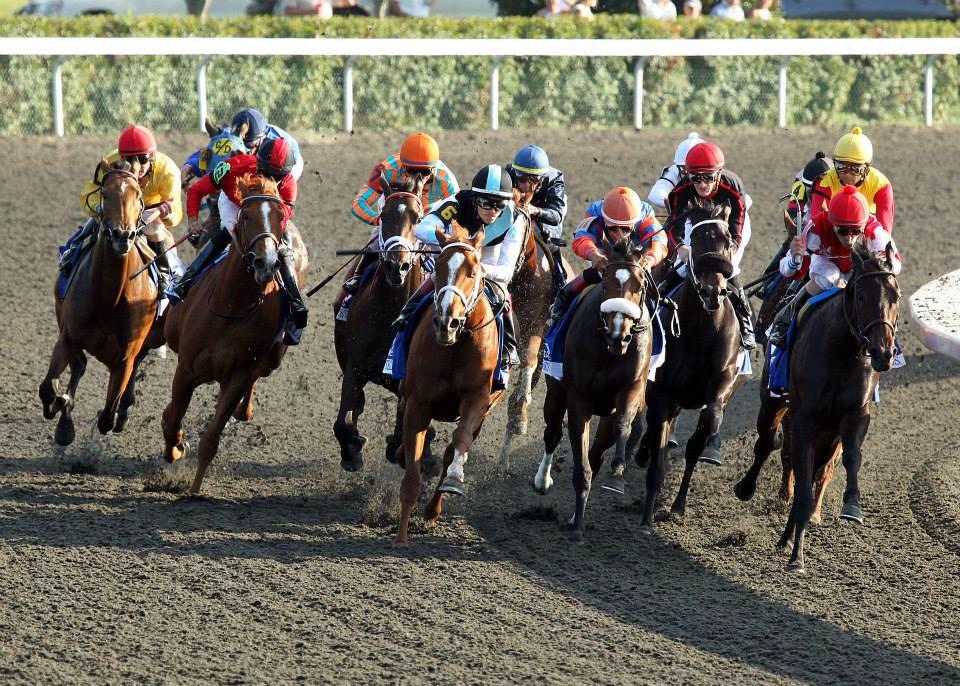
However, fillies beating colts and geldings is not normally a surprise, neither is it a rare occurrence in the UK, Ireland and Europe. Fillies and mares race alongside males, and beat them, on a regular basis. Females generally get a weight allowance from colts and geldings when running against them. The list of fillies who have won world class Grade 1 races like the Prix De L’Arc De Triomphe is substantial, in fact the last four runnings of that race have been won by fillies. The great french racehorse Treve has twice beaten some of the best “boys” in the world when taking the Arc in both 2013 and 2014.


Then just three days later in California, the great American mare Beholder was much the best when she made a bunch of Grade 1 Males look positively pedestrian, as she sublimely parked in the Pacific Classic at Del Mar. A stunning victory, with an “Arazi” like move pulled on the home turn.


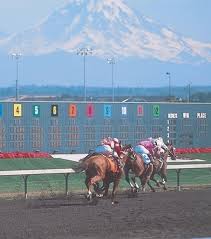
Racing secretaries, trainers and owners of horses should take note. Here most of our races are framed either for colts and geldings only, or for fillies and mares only. Yet at many tracks across the country we have an acute and critical shortage of horses and problems filling races with the required minimum of five entries. When these races barely fill, bettors and fans have little interest. They are generally tired of five and six horse fields that offer no value betting opportunities, a mundane rather than interesting handicapping challenge and limited chances to make a significant score. Trainers and owners are repeatedly frustrated when because of a lack of entries races “don’t go”, and their primed, fit and ready horses are denied a run. 


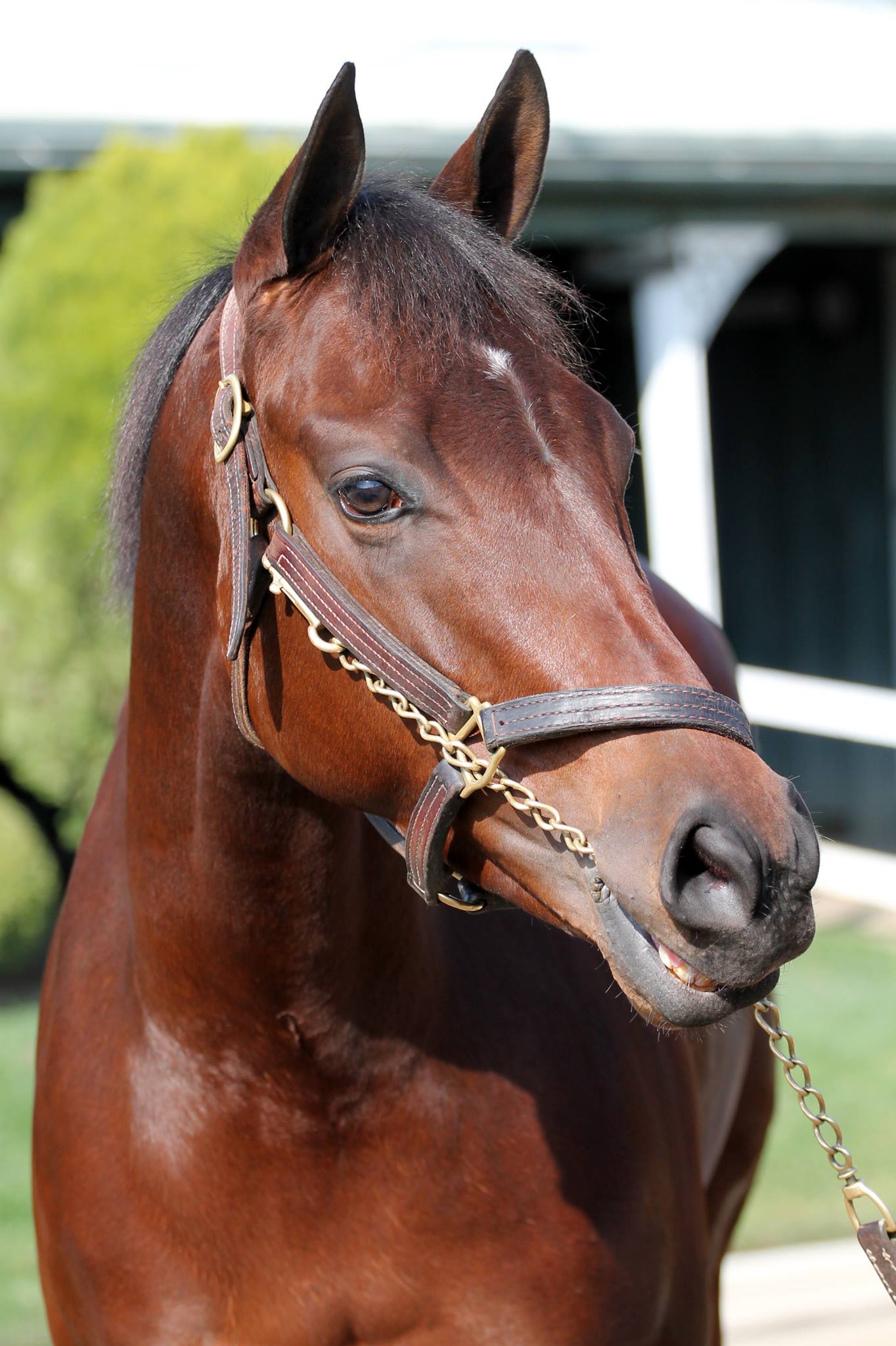
TreveSo – why not take those notoriously hard to fill/short field race types, combine the sexes and take entries from both boys and girls. Create a weight allowance for the girls, and increase the purse money, as two races are now being combined into one. We are not talking about implementing this idea for all races of course, just those races which, when restricted to horses of one sex, racing secretaries know habitually suffer from low entries and small fields.


The result would be fuller fields, intriguing handicapping contests and increased overall betting handle. The number of races per day may of course be reduced as a result, but so what? Personally I would much rather watch a program of seven or eight entertaining larger field races than nine or ten boring short field affairs. I think the majority of horse racing fans would feel the same way. 


Which innovative racing secretary is going to give their track a shot in the arm by giving this a try?


Watch the great filly Treve win her back to back Arc De Triomphes 

Arc 2013   Arc 2014

Thoroughbred People’s Equine Legends Series: Boston

Boston2By Kimberly French

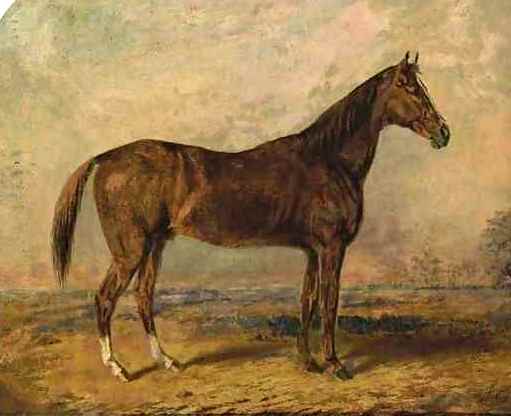
A grandson of Sir Archy, who is considered to be the first important stallion bred in the United States, Boston or “Old White Nose” as he eventually was referenced to, was quite famous in his own right. He was the first important American racehorse and his performances both on the track and in the breeding shed were legendary. A son of one of Sir Archy’s best sons Timoleon and an unnamed Ball’s Floriel mare, Boston arrived in the world in 1833 at John Wickham’s plantation in Henrico County, Virginia. The colt was a flaming chestnut with a flashy white blaze that was inbred 3 x 3 to Diomed, who was the first horse to capture the Epsom Derby.


When the colt was two, Wickham, who was an attorney, like many of his era, took part in a very high stakes hand of cards with Richmond, Virginia, resident Nathaniel Rives. Unfortunately for Wickham, lady luck was not smiling down upon him. After racking up an $800 debt to Rives, Wickham decided to transfer the progeny of Timoleon to Rives to satisfy his debt. Rives then placed the colt, now named Boston in honor of that prodigious card game, into training with John Belcher, but Boston had some other ideas about what his future would hold for he had a temperament as fiery as his chestnut coat.


Boston was so unruly and unpredictable, Colonel L White, a reputable breeder in the region, commented rather than Belcher breaking him to saddle the colt should be “either castrated or shot, preferably the latter.” Belcher, who was the conditioner for the “Napoleon of the Turf” Colonel William R. Johnson, did not follow White’s recommendations, but definitely had a tough task on his hands. It appears Boston developed the very nasty habit of dropping and rolling to remove his rider from his back. When none of Belcher’s expertise would yield results, he and several of his stable hands took matters into their hands. When Boston was on the ground, they would sit on his head and thrash him with sticks. After literally beating this vice out of him, Boston never employed this specific tactic again. He remained, however, an incredibly tough horse to contend with.


Boston3On April 20, 1836, the 3-year-old made his first racing appearance. True to his obstinate nature, Boston was well in front and it was quite apparent he would be the victor, until he decided he did not feel like running anymore. In fact, he came to a complete stop and would not move a muscle until he was forced to. Over the summer months Belcher tried in vain to teach Boston to mind his manners. When he did return to the races in the fall, however, it was with a new trainer in Arthur Taylor. He captured both of his contests at the Petersburg and Hanover Court House courses. This was the beginning of a 17 race win streak which lasted until Boston was six years old.


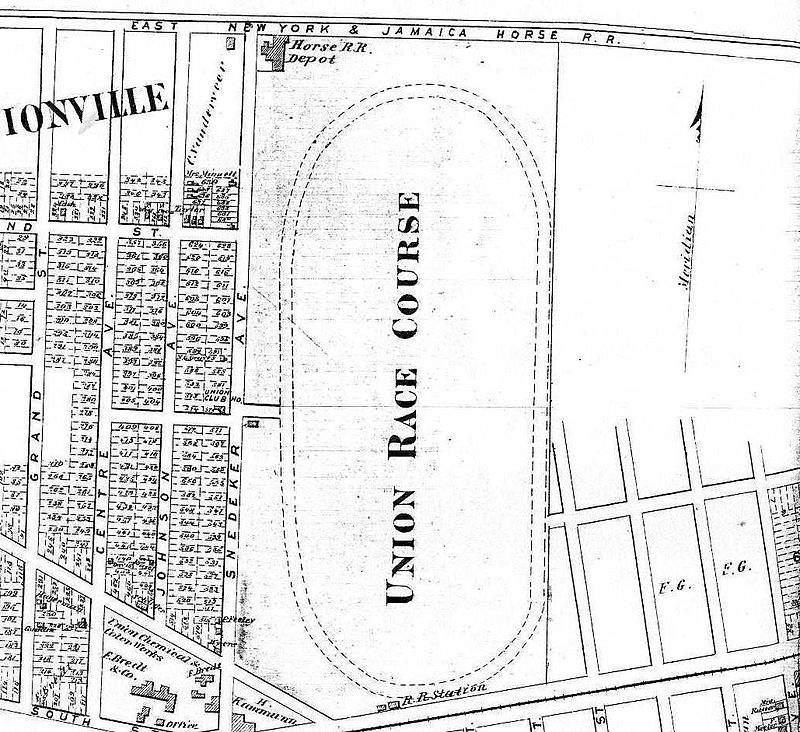
At age four, Boston became the property of Colonel Johnson and was returned to Belcher’s care. He competed on four occasions, with the great jockey Cornelius, a former slave, and won them all. The total purse money he collected for the season was $2,000. The following year he dominated “every good horse race north of the Potomac” in his eleven races and amassed $8,900. His first start was Union Course on Long Island and he then traveled to Hobokken, New Jersey, to the Beacon Course. His next stop was at Camden, then a return to Union. Petersburg was next on the agenda followed by Virginia, Baltimore, Camden, Long Island and Hoboken. At Union Course he traveled three mile heats in record time and also produced the second best time for four miles.


When he was six, James Long, who lived in Washington, D.C., purchased a half interest in the horse. He competed on nine occasions and won eight of them. His defeat, only the second of his career came in April at Petersburg in one of his first starts of the year. It was reported Boston was “off balance.” He righted the ship in his next start, however, as he established a new standard for 3 miles at Broad Rock, Virginia. This was when legendary white rider Gilpatrick took over the stallion’s reins. At age seven, Boston annexed all seven of his starts.


Boston horse1By the time Boston was eight, many in the industry had grown weary of him beating every other horse. Johnson had been paid previously to keep Boston’s name out of the entry box and now the jockey clubs at locations such as Union Course and Petersburg requested the stallion be raced elsewhere. They suggested maybe he should race in the South. They even considered placing the phrase “Bar Boston” in their race conditions. At this juncture, Johnson decided to stand the horse and Boston spent the summer of 1841 in the breeding shed. He was bred to 42 mares with each breeding possessing the price tag of $100.


That fall Johnson laid down the gauntlet for his horse. He claimed Boston would compete against any two horses in four mile heats with the challengers to alternate heats. The price of entry, however, was $45,000. That was a princely sum to pay for most and also the fear of Boston’s prowess was so real, no one really wanted to race against him. Boston did return to the races with a triumph on September 30, 1841 and collected three more victories over the course of the next 20 days. It was when he met Fashion, a 3-year-old filly by Trustee, on October 28, 1841, the stallion was handed his third career defeat. Before Boston was even back in the barn, Johnson challenged the filly’s connections to a match race the following spring. It was accepted and eagerly awaited as the last national turf event of that magnitude had been between American Eclipse and Sir Henry in 1823. In fact, New York City’s railway system could not accommodate the crowds of spectators traveling to the race and there were riots in the street.


aMatchFor the match race, the 9-year-old stallion carried 14 pounds more than the much younger filly. Fashion did win the contest in a new record time, but Boston sustained a cut on his hip that was fairly severe when he hit the fence on one of the turns. The stallion competed on four more occasions that year and won three of them, but returned to the track only one time at age 10. After winning this race, Boston was retired to the breeding shed in Hanover County, Virginia, in 1843. Upon the completion of his career, the stallion had a record of 40 wins from 45 starts and $51,700 in purse money. The fact that Boston performed at such an elite level for nearly seven years over numerous courses and in three and four mile heats illustrates what a tremendous individual he truly was.


Boston was relocated to Washington, D.C. in 1946 and in 1847 took up residence at Colonel Edward Blackburn’s farm, which is presently the Hurstland/Nuckols property in Midway, Kentucky. As Boston had not been bred to many high quality mares early in his stud career, it was now his chance to shine. That is not to say the stallion had not already produced some quality horses. For example, Ringgold, born in 1842, out of Flirilla Jr. by Sir Archy, was in his first crop and was a very nice horse on the track. Ringgold also sired Tipperary who in turn sired Calvin, who was a Belmont Stakes victor, as well as Sallie Watson and Ringmaster.


800px-1873-Union_CourseHis 1846 crop yielded Commodore out of Rosalie Somers by Sir Charles and Red Eye out of Lucy Long by Priam. Commodore was a potent stallion as he was responsible for Lady Hardaway and Nellie Gray. Other top horses produced by Boston were Arrow, Wade Hampton, Arlington, Zero and Cracker. He led the sire lists in 1851, 1852 and 1853. Glencoe brought that streak to an end in 1854, but Boston was second.


As Boston aged he became blind and by 1849 all the marvelous feats from the racetrack took its toll on the stallion’s body. By this time he struggled to rise and was actually kept in a hammock. Every morning stable hands would aid in getting him to his feet and then massage his legs so he could stand. Boston passed away in his stall on January 31, 1850. His two best colts, Lecomte and Lexington would be born in the spring of 1851. Although Lecomte suffered an early death and only had one crop to race, he did get several winners and Lexington would go on to become a foundation sire for the Thoroughbred breed. Many horses today can trace their lineage back to Lexington.


Boston was not only a sire of sires. He produced quality fillies. For instance, Nina (1849) was an excellent race mare and gave birth to Planet as well as Belmont Stakes winner Algerine. Her filly Ecliptic was also an outstanding broodmare. Madeline (1849) did not excel on the turf, but was the dam of Aristides Welch’s Maggie B.B., who produced Kentucky Derby winner and top sire Iroquois, Belmont Stakes winner Panique and Preakness winner Harold as well as Jaconet, who was the dam champion and top sire Sir Dixon.


In an interesting aside, Boston left his mark not only on the Thoroughbred breed, but also on the Standardbred side as he sired trotters. His daughter Sally Russell (1850) was the granddam of the terrific trotter Maud S. His granddaughter through Lexington, Twilight, was the granddam of swift Jay-Eye-See and appears in many harness pedigrees such as that of champion Spencer Scott. The great Greyhound can even trace his family heritage back to a daughter of Boston in Jr. (1850).


Although he was not considered especially handsome, the chestnut stallion did bear white on his feet in addition to the great blaze on his face and was considered to have a certain presence. He stood a shade over 15 hands, but was well muscled and conformed with a 26 foot stride. Despite his obstinate temperament or maybe because of it, Boston’s durability, toughness and brilliance on the racetrack are impossible to deny. Neither is his impact on American Thoroughbred racing.

Thoroughbred People’s Equine Legends Series: Eclipse

Twice a month we look back on the careers of some of the great horses of yesteryear. This week – Eclipse.

By Kimberly French

Eclipse2

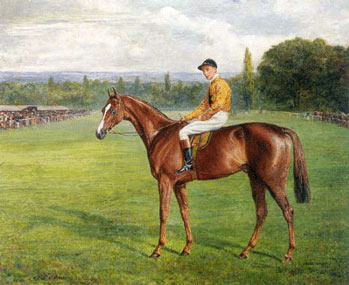
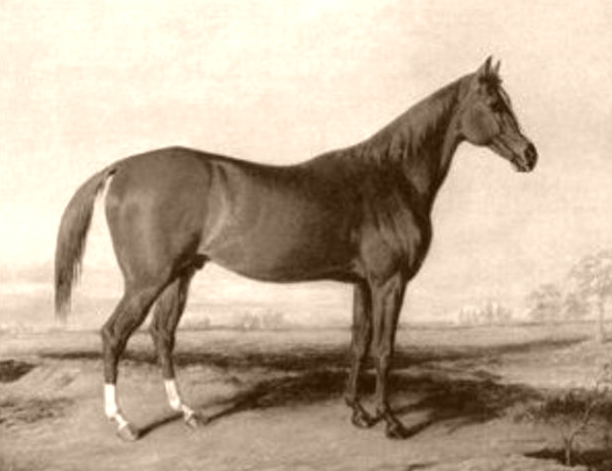
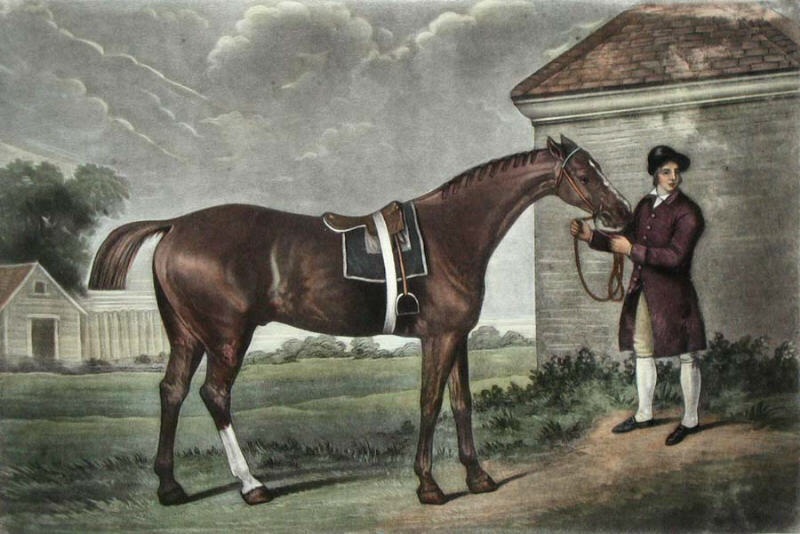
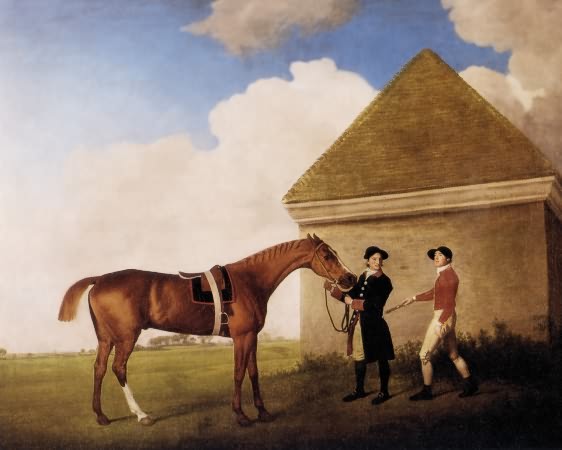
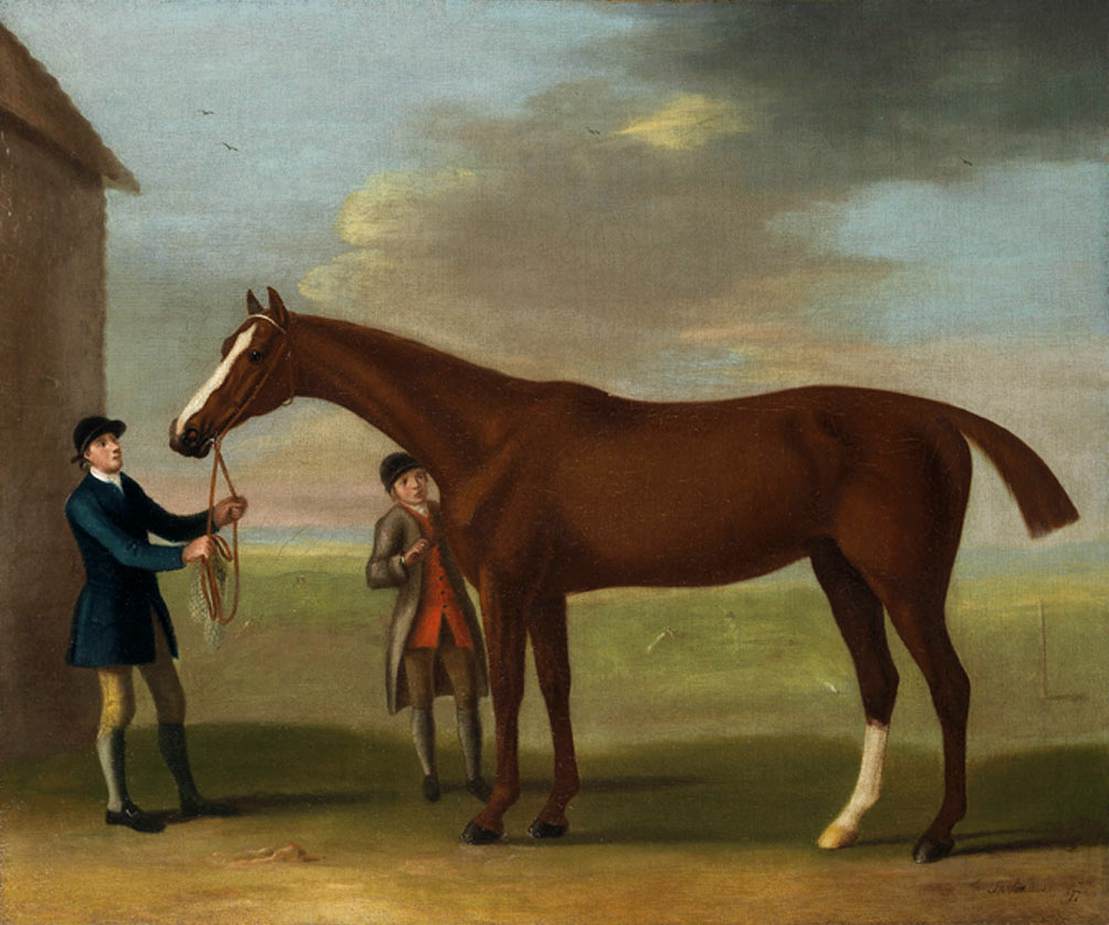
Signified by a so called “ring of fire” around the sun, Eclipse’s name was derived from the particular and peculiar set of circumstances in the sky known as an annular solar eclipse on the day he was born. Still known throughout the course of history as one of the best racehorses of all-time, Eclipse also excelled in the second part of his career as a sire. Not only did he retire to the breeding shed undefeated, his impact on the breed was so tremendous more than 95 percent of today’s Thoroughbreds are descendants of the chestnut British champion.


Eclipse entered the world on April 1, 1764 and was the son of Jockey Club Plate victor Marske and the Regulus mare Spiletta, who was a granddaughter of the Godolphin Arabian. Both of Eclipse’s parents were owned by H.R.H. William, the Duke of Cumberland and the third son of King George II. Eclipse spent the first year of his life at William’s Cranborne Lodge Stud in Windsor Park in Berkshire. When he was a yearling William perished and all his stock was sold. The bright-eyed, spirited chestnut colt was purchased for 75 guineas by William Wildman, a sheep dealer from Smithfield.


Eclipse5Due to his willful disposition, Wildman considered gelding Eclipse but thankfully refrained from doing so. The horse was allowed to grow, mature and develop so he did not make his racing debut until May 3, 1769 at Epsom at the age of five. Ridden by John Oakley, who it was said was the only one that could contain Eclipse’s fiery behavior or maintain his balance while Eclipse ran with his nose to the ground, he captured a plate for 50 pounds that consisted of four mile heats. Legend has it that shortly before the second heat, a betting man by the name of Dennis O’Kelly claimed the results would be, “Eclipse first, the rest nowhere.” If a horse was trailing more than 240 yards behind the leader during a racing contest, they were referred to as being “nowhere.” The phrase stuck and was still used to describe a dominating performance until several decades ago. Not only did Eclipse easily thrash his competition, he also acquired a new owner in Kelly who paid 650 guineas for half of the horse.


Eclipse4The duration of Eclipse’s first season of racing closely resembled his maiden breaking victory. In his next start he captured two mile heats at Ascot and then his first King’s Plate at Winchester in four mile heats before he collected two more triumphs for a City Plate in Winchester and a King’s Plate at Salisbury. The last two wins being walk-overs as Eclipse had so thoroughly controlled the opposition, they feared competing against him. He finished his first campaign with the City Free Plate at Salisbury in four mile heats and accrued three more King’s Plates at Canterbury, Lewes and Litchfield. He was a perfect nine-for-nine.


In 1770, Eclipse proved to be as elite in his first year of competition and in April O’Kelly received full ownership of the horse after supplying Wildman with 1,100 guineas. The stallion’s first engagement was a match race with Bucephalus at Newmarket over the Beacon Course, where he remained to annex the Newmarket King’s Plate in four mile heats. His next three races were all for King’s Plates at Guildford, Nottingham and York. His next start was the Great Subscription at York, run in a single four mile format subsequent to another King’s Plate walk over at Lincoln. His next stop was at Newmarket and he won two races in two days with one being another walk-over in a King’s Plate. This is when it was determined to retire him. There was no horse that could compete with Eclipse and he ended his career an unblemished 18 for 18 with 11 King’s Plates. He was hailed as one the most fantastic runners ever seen that was only equaled in prowess by Flying Childers, who actually was a full sibling to Eclipse’s great grandsire Bartlett’s Childers.


Eclipse took up stud duties in 1771 at O’Kelly’s Clay Hill Stud near Epsom and his fee was originally 50eclipse3 guineas. In 1778 he was relocated to another property, Cannon’s Stud in Edgeware, where he perished on February 26, 1789 at age 24 after succumbing to colic. As was customary at the time to pay tribute, Eclipse’s hooves were turned into inkstands. One such item was created from gold and presented as a goblet to the King of England. In addition, hairs from his tail were placed in Charles II’s whip.


Although Eclipse was one of the leading sires of his day, he never actually topped that list. That distinction was reserved for Herod, who was also in the William’s dispersal and his son Highflyer. Eclipse was the sire of 344 victors, including Derby winners Young Eclipse, Volunteer and Sergeant, in additional to the top class runners and sires Pot-8-os, King Fergus, Mercury, Joe Andrews, Dungandon, Alexander, Don Quixote and Pegausus.


Only one of his female progeny, Annette won a classic when she took the Oaks in 1787, but they served as superior broodmares. They performed exceedingly well when mated with the lines of Herod and Highflyer. This cross was responsible for Haphazard, Chanticleer, Weasel, Skyscraper4, Tartar, Stamford, Archduke, John Bull, Meteora and Remembrancer.


Eclipse2Shortly after Eclipse’s death, his body was submitted for an autopsy. If this was a direct result of the custom of the time, when only a horse’s head, heart and hooves were buried, is unknown. What was discovered, however, is that Eclipse’s heart weighed 14 pounds when most horses’ hearts weighed eight. Eclipse is considered to be the standard bearing influence of what is known in the “X Factor.” This is when a horse with a large heart develops that characteristic through the genetic transference of the X chromosome. As a sire can only pass an X chromosome on his daughters that is how the trait is inherited. It is thought that superior racehorses have larger than average hearts.


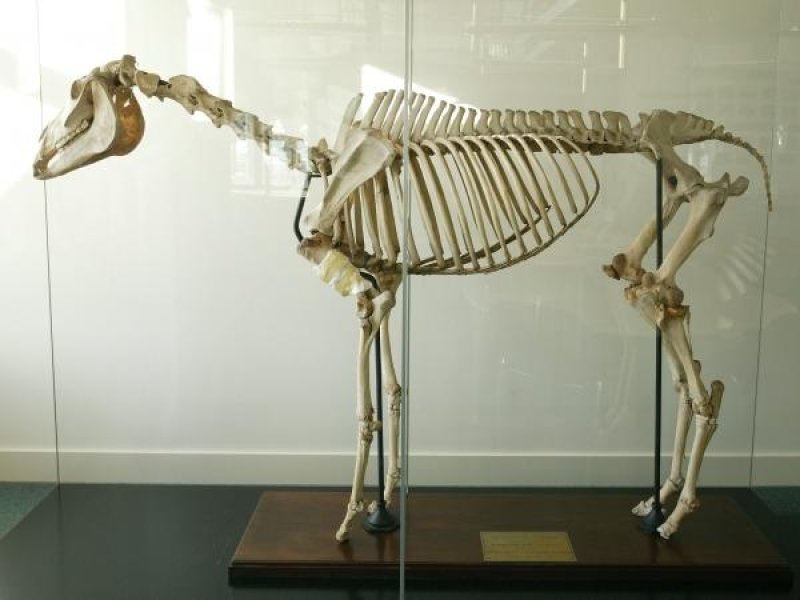
EclipseSkeletonPresently, Eclipse’s skeleton can be viewed at Royal Veterinary College of Medicine (RVC). The United Kingdom’s oldest veterinary university also conducted DNA and range of motion studies on the horse’s remains to determine just what set him apart from his contemporaries. Using DNA from one of the Eclipse’s teeth, the researchers discovered his line still remains present in many of today’s horses’ genetic material. They also recreated one of Eclipse’s limbs to ascertain how he could have possessed a 25 foot stride and why he was so swift.


Dr. Alan Wilson, who led the study said in a 2007 press release, “All the factors for speed were perfectly matched. A key ability for a fast horse is to be able to bring its legs forward quickly, which is difficult for large animals with long limbs. Eclipse was smaller than modern racehorses. Rather than being some freak of nature with incredible properties, he was actually just right in absolutely every way.”

The Interviews: Aron Wellman, Eclipse Thoroughbred Partners

Aron Wellman

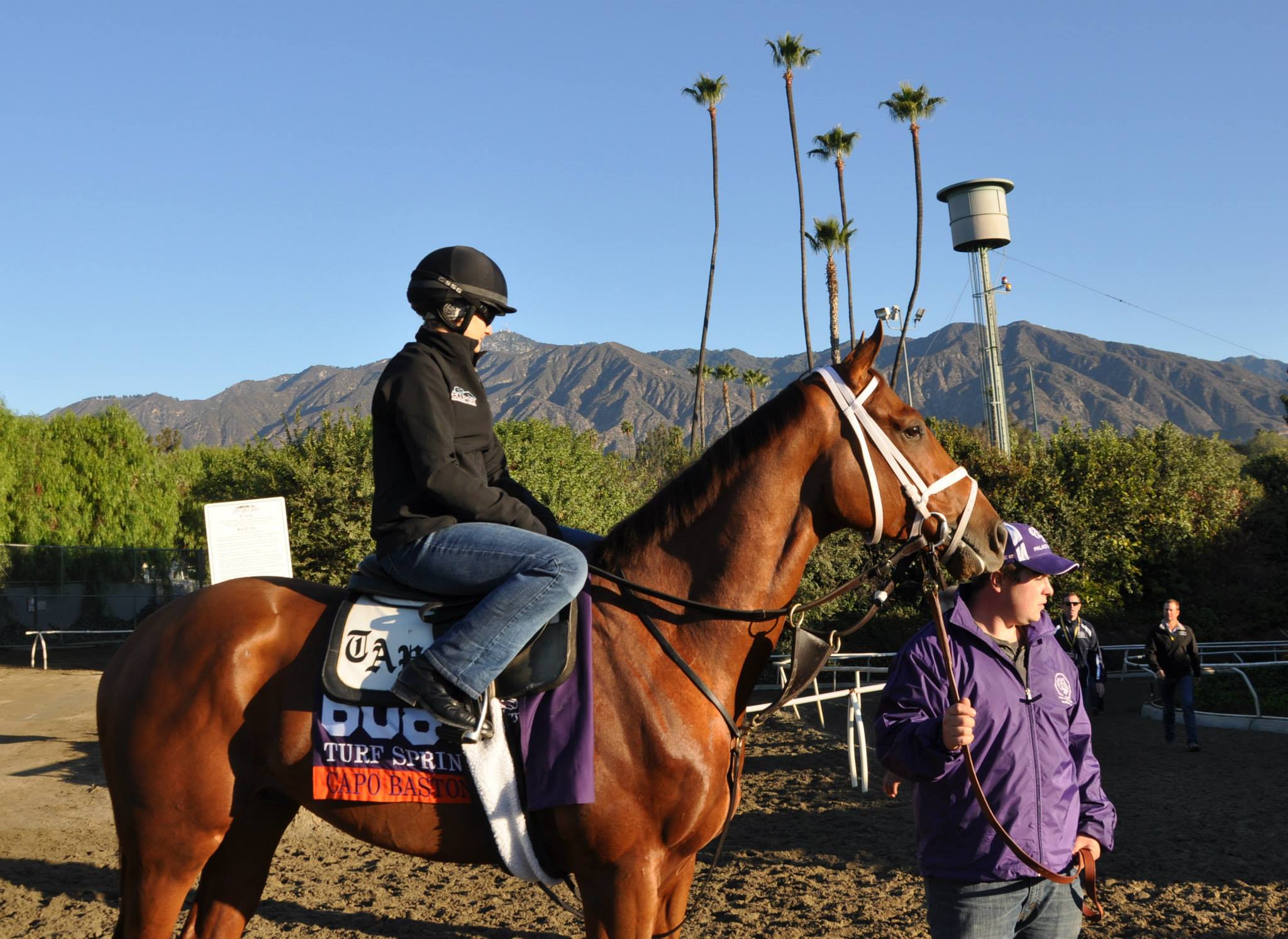
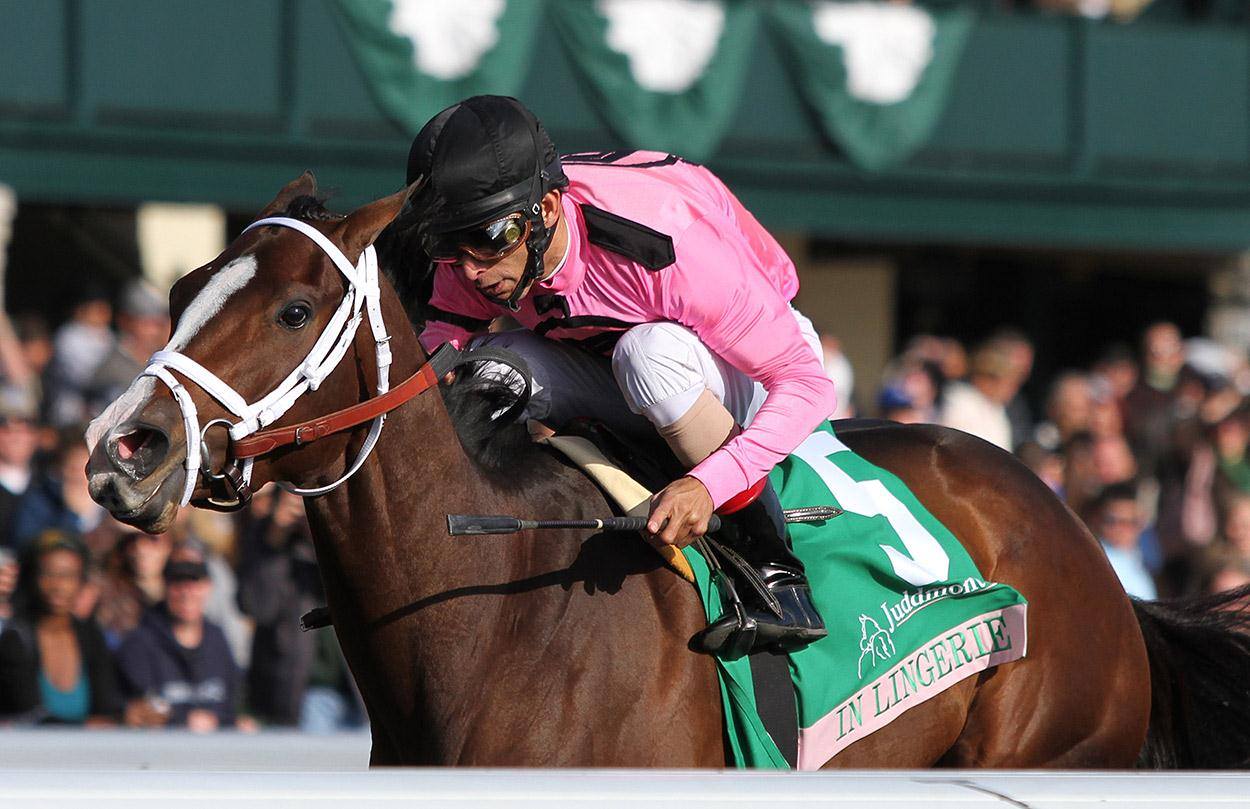
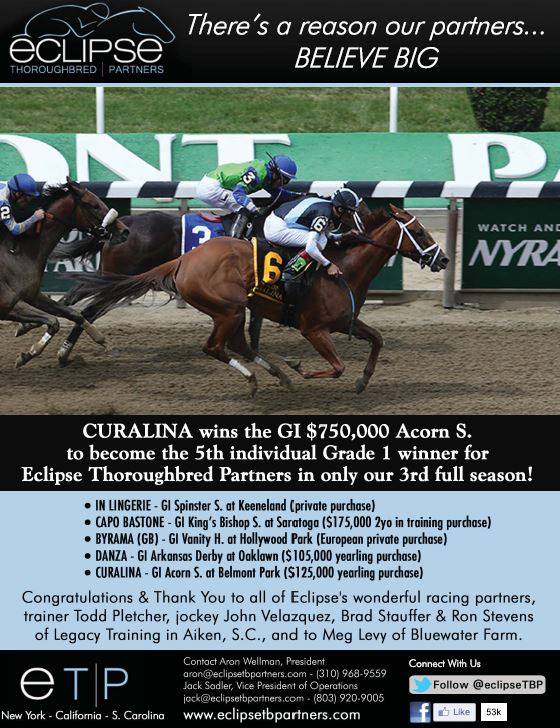
Eclipse Thoroughbred Partners, founded in 2011 by Aron Wellman, offers partnerships in top quality racehorses with the aim of finding success at the highest level. Eclipse has made it’s mark with multiple Graded Stakes winners such as Danza, Curalina, In Lingerie, Byrama, Capo Bastone and Judy In Disguise. Aron talked to us about Eclipse and his life in racing.

TBP: How did you get involved in thoroughbred racing?

AW: I was basically born into it. My parents have been small-time breeders and owners in California for probably close to 40 years now. My parents bought themselves their first race horse as a wedding gift for one another, so I have them to thank for introducing me to the industry. I also had an incredibly fortunate upbringing in that two of my family’s closest friends were Eddie Delahoussaye and Bill Shoemaker, so I grew up around that kind of racing royalty. There’s no doubt that I had a passion for horses and racing from a very young age. I would go so far as to say I was obsessed!

TBP: Did you grow up with siblings who were interested in racing?

AW: I have a younger brother, Kyle, he’s four years younger than I am. He’s more of a handicapper and sticks to that side of it, but he’s a big supporter of the partnerships and horses of course.

TBP: I understand you got involved part-time professionally in grooming at the track. Is that correct?

AW: Yes, I was very blessed to spend my summers at Del Mar. When I was a kid I was frustrated by the fact that you couldn’t “work” on the backside until you were of age. You couldn’t get licensed, for obvious safety, insurance and liability reasons, so kids couldn’t really work on the backside with the horses.

Battlefield Angel racing shotI was lucky to have a summertime neighbor named Jude Feld who was a trainer out here at the time and a wonderful man. I somehow pestered him about helping out at his barn to the point that he finally agreed when I was eight years old. He said, “OK kid, if you’re on my doorstep at 4:30am tomorrow morning, I’ll take you to the track with me. I’ll find a way to get you in.” Sure enough, I set the alarm, woke up, and was waiting for Jude on his doorstep at 4:30am. From that morning when I was eight until the time that I graduated from law school I worked every morning and every summer at Del Mar. I started out mucking stalls. To get me in Jude threw me in the back of his car, put a paper over me and we went through security without them knowing there was a kid in the back of his car. He said, “You’re here now and now you’re on your own.” I went over to other barns hustling trainers to muck stalls. I was making about $3 a stall. Jude allowed me to walk hots the next summer and it was a gradual progression from there. I spent a number of years grooming horses every summer. By the time I was in college and through law school, I was to all intents and purposes an assistant trainer.

Jude was an incredible influence at that time because he never frowned upon the fact that I was young. He allowed me to make mistakes and learn from them and I really felt like I was part of the team. We had some really good horses to learn from. I learned a lot from being exposed to some very high quality animals, but you also learn a lot from the older, cheaper horses too.

The Shoe was always a mentor to me while he was riding. We’d spend a handful of days a year in the jockey’s room and I really got that behind the scenes perspective from him. I look back on that now and it was a very surreal experience for a kid to have. When Shoe retired from riding and got his trainer’s license, I went to work for him and his assistant trainer Patrick Gallagher. Shoe was immediately given some of the best horses to train in the country. That was a lot of fun.

 willie-shoemaker-1TBP: What were your personal experiences with Bill Shoemaker?

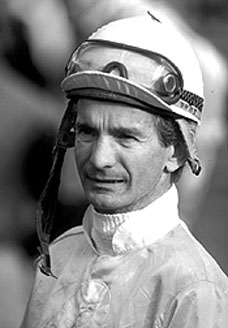
AW: Shoe really was one of a kind. He was a giant of a man. He was an incredibly alive, perceptive human being, not just as a horseman but as a person. He was patient and gentle. It was also his style of horsemanship. I remember the first thing that he ever said to me as I stepped into his barn. He said, “In this barn there will be no force. Everything will be done with composure, poise, care, and gentleness.” That’s how you get horses to want do things for you. I’m sitting here at my desk and I have a picture of Shoe at my bar mitzvah. He was an incredible prankster, especially in the jocks’ room, he was all business on the track but he knew how to have a good time and get a good laugh in off it. At a bar mitzvah party you have certain individuals who are important to you who come up to light a candle. When I called Shoe up, he had a handful of silverware and shoved it into my jacket pocket thinking I would get busted for stealing it when I left.

We lost him too soon. He was on his way to becoming a brilliant trainer but there’s no telling what he could have accomplished. The industry certainly misses him.

TBP: Who were the big horses you remember growing up?

AW: John Henry was phenomenal. He was everyman’s horse. I remember the tremendous campaign he put together in California and across the country. The horse that was most near and dear to my heart was Ferdinand. He won the Kentucky Derby with Shoe on him when Shoe was 56 years old. He was just a machine.

TBP: Did you consider becoming a trainer?

AW: I really wanted to be a trainer, but everyone geared me away from the trainer profession. My mom said, “You make your own path and make your own money and when all is said and done, you can train your own horses.” They wanted me to be a vet, that’s not a bad alternative. You get to be around the track and around horses. I went to UC Davis my freshman year for college and passed up some opportunities to play Division 1 soccer with the intention of becoming a vet. However it didn’t take me long to realize that that would have been too many years of math and science, so I took a political science path and went to law school. I practiced law for about five years as a litigator. I always promised myself when I got my first “real” job, I would buy myself my first racehorse.

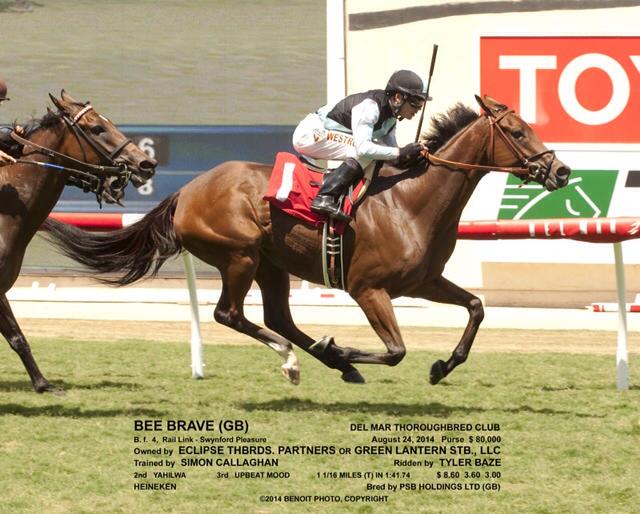
Bee Brave Wining at Del MarI got hired by a small firm on the west side of LA and started making a bit of money but not enough to have my own horse. Three race track buddies and I got together and claimed a horse for $32,000 called Rhetoric Express. Within a month, he won an allowance race and we lost him for $50,000 several months later. I soon found myself with five, six or seven guys, we would throw our money together and find some horses to have some fun with. Shortly thereafter I formed an informal partnership called LGL Racing. We were primarily a claiming partnership and were looking for quick, fun action and to turn horses over. It was a great way to gain experience in racehorse identification and management.

I always knew that I had an interest in higher quality animals, so we all agreed to look for higher quality horses and I turned to Europe to find them. It was always a source of horse talent that I was intrigued by. We went over there and bought a two-year old filly from England. Her name was Three Degrees and she had just run second in a maiden race there. She won a couple of graded stakes for us here in the US and was, painfully, second in a couple of Grade 1s including the Del Mar Oaks and the Matriarch. She was a phenomenal filly that put us on the map.

We went back to England the next year and bought another two year-old filly named Valbenny. She became one of the top three year old fillies in California in 2008. In her three year old year she won four or five graded stakes for us. In November after those wins we sent her to Fasig Tipton to be sold as a racing broodmare and she brought $1.2 million. Three Degrees and Valbenny were the first two horses to really put us on the map and the decision to put Valbenny through the sales ring was the decision that reconnected me with Barry Irwin of Team Valor. I originally knew him through my parents when he was living in California. He had been interested in acquiring Valbenny through auction and was wondering if a partnership might be of interest. That didn’t work out because she sold for more than we had anticipated, but through that process, Barry and I began to talk. Barry was looking to bring someone on to be his heir apparent at Team Valor and he offered me a position as vice president. I left my law practice and that was the first opportunity I got to become a full time professional in the industry.

TBP: Tell me more about LGL?

AW: We were very casual and loosely held. We started off with a handshake and a lot of trust. Eclipse operates on a much higher level and has a very formal structure. It started off just as trust to invest in the best racehorses and the same principle is at the core of what we do today. We form partnerships and rely on people’s hard earned dollars to do it. It all boils down to trust. You can have all the contracts in the world, but it all boils down to trust and I try not to lose sight of that.

Capo Bastone Santa Anita shotTBP: How long were you with Team Valor and what was the catalyst for you to splinter off?

AW: I was with Barry for three and a half years and it was an incredible and invaluable experience. I consider Barry to be one of the smartest and most innovative people in racing. Barry’s heart is really in the right place and he always wants what is best for the industry. We had an incredible run, I think we won something like 200 races and 50 stakes. At the time I resigned from Team Valor it was a standalone decision. I didn’t know what I was going to do, I just believed it was the best thing for me to do for my family and for my career. Shortly after, I was approached by some partners and was presented with the opportunity to start another partnership company in the summer of 2011.

Byrama with AronTBP: How has Eclipse evolved this past four years?

AW: It has really grown and blossomed beyond my wildest dreams. When we opened our doors in the summer of 2011 I had no idea if a single person would have any desire to be a partner of Eclipse. When you hang up your own sign you have no idea what type of traction you are going to get. I was so blessed to have early support from some wonderful people and to develop a nationwide stable to compete at the highest level. Every horse we acquired for the stable we did so with the intention of it becoming a graded stakes horse. That’s not an easy thing to achieve. It has been the biggest challenge of my life, to build a stable from scratch and try to establish it as a nationwide influence on major races.

We started off with just a couple of horses. I intentionally put an emphasis on fillies in particular, I always believed a stable should be founded with fillies. Our resources were limited but I wanted to do my best to find fillies we could develop into assets. We were so lucky in the beginning. The first filly we bought was named Byrama. She won several stakes races and if you could ask what could be your flagship horse you could not have dreamed of a better horse than Byrama. She was as tough as nails. She ran on dirt, on turf, she did it all. Then we took a big plunge in January 2012 and bought a filly called In Lingerie and that was really a strong catch for our growing partner base because she was a significantly expensive purchase at the time. She was a maiden winner on her debut sprinting on the Polytrack at Turfway Park. For our partners to believe in our ability to identify Grade 1 caliber horses and pay a significant sum of money for her, that was a real test.

In Lingerie winningTBP: Where did you pick her up?

AW: We acquired her privately from the Lister family after her maiden win. In Lingerie lived up to all her billing. In her second start for us she won the Grade 3 Bourbonette Oaks and then went on to win the Grade 2 Black Eyed Susan at Pimlico, which was the second leg of the Filly Triple Crown. She really put us on the map with that. She went on to be placed in the Grade 1 Coaching Club and the Alabama at Saratoga. Then we won our first Grade 1 with her in the Spinster at Keeneland in the October. To win a Grade 1 at Keeneland with a filly with her classy type of pedigree was a huge event for the stable.

Thankfully, in the first full year of our stable operation, I don’t think we had a single injury to any of our horses. We might have had a few In Lingerie paddock gallopingminor setbacks, but nothing that required us to send a horse out to the farm. Not a single surgery, not a single major bump in the road.

TBP: Who are your staff at Eclipse?

AW: Jack Sadler, Bill Victor and Kelsey Marshall are full-time employees. A couple of years ago one of the most humbling and wonderful experiences of my life was that we formed a joint venture with Dogwood Stables with Cot Campbell. He is considered to be the pioneer of racing partnerships. When he went into semi retirement, he was looking for someone to carry on the Dogwood legacy. It was a proud and humbling moment for me for Dogwood to merge with Eclipse. That’s how we gained the services of Jack Sadler and Bill Victor, who had been the CEO and treasurer of Dogwood for many years. It was another remarkable stroke of luck that helped Eclipse shoot to the next level with our client and partner base. It enabled us to grow the stable and the brand and played a major role in our being able to grow the way we have in the past several years. It doesn’t get any better than Cot Campbell’s endorsement. It was the ultimate feather in the cap.

Feathered RacingTBP: Are European horses something you still pursue?

AW: The market has become incredibly fierce for quality horses anywhere but particularly in Europe. When I started Eclipse, the market was reasonable and my best horses had been prospects from Europe. We did a lot of it for Team Valor and it was something that I thought would be the pinnacle of how our stable would be comprised. We have been fortunate in having several successful European horses, including Byrama and Judy In Disguise. We very much enjoy prospecting talent in Europe, but the problem now is that the rest of the world has picked up on it. With Hong Kong, Australia, and Middle Eastern money it has become difficult to acquire horses of value there. We are value seekers. To get horses which are maiden winners and not pay a premium for them, sometimes multiples of what they are really worth, you have to be very disciplined and not get caught up in that. We still buy a handful of Europeans every season, but what would have been eight, nine, or ten annually has shrunk to three or four at this point, although I still put in all the work looking for those diamonds in the rough. As a result I have had to change our buying emphasis to a large degree to the yearling sales domestically as well as the horses in training sales. I much prefer to buy a proven racehorse, but you have to adapt and adjust to the market to continually produce graded stakes horses.

TBP: Where do you stand on Lasix?

AW: I remember it not being legal in New York, but in California for as long as I can remember it has been legal. There is no question that in our country and industry there is a need for broad scale medication reform. I am of the belief that we could do away with all race medication and, if there was to be any exception to that, to allow horses to run on lasix. I am not the guru of this topic and rely very heavily on a few veterinarians that I respect very much. I don’t claim to have the answers to this but, to me, my understanding is that lasix is a therapeutic drug. I know that the common terminology that people like to use is “performance enhancement” but I think this is a dangerous term to use in reference to lasix. I don’t Judy In Disguise Headshotbelieve lasix, based on the knowledge that I have been given, is a performance enhancement drug. I think it is more of a therapeutic drug. The bottom line is that I think there should be medication reform, and I think if we went to zero tolerance of race day medication the best trainers and horses would continue to thrive. The real gripe I have with the powers that be, who are leading the charge on racing medication is that I feel that there is a gross amount of contradiction and hypocrisy in their own actions.

I am totally fine agreeing that we can and should go clean. This leads me to “How do you effectuate that change?” There are so many organizations out there with varyingdegrees of interest that it makes it difficult to accomplish. What it all boils down to with me is uniformity. Each state is governed by its own authorized body, but to have medication rules contradict each other from state to state makes no sense and is not in the best interest of the horses, the trainers, or the owners. There have to be nationwide, uniform medication rules. There needs to be uniformity and a central governing body with a national commissioner. A commissioner who decides on all matters that fall under their umbrella. Until we can get our house in order, we can’t expect public perception to improve at all.

TBP: Where are you on the synthetic tracks?

AW: For me, there’s certainly a place for synthetic tracks. There’s  evidence that suggests they’re safer and I do believe there is a place for them. I think while the intention behind the rush to install these synthetic tracks was good, particularly in California, we jumped into this thing poorly educated, ill-advised and it was a rash call to action that was premature. We didn’t understand the track surfaces and I think what really led to their demise was a lack of understanding on how arlington-hoof-in-polytrackto maintain synthetic tracks. When they came to the fore in the US and Southern California, they were deemed to be an all weather track which required little maintenance. It can be a benefit in climates that are cold, wet, rainy and frozen. That’s probably when you’re most concerned about the safety of the horse. You take the all weather out of the equation in Southern California, as we don’t experience as much climate change as other geographical locations.

I really think there were two major mistakes. Number one, I think there were corners cut in the installation of the surfaces. We were in a huge rush to get them installed. I think there were materials that were skimmed and I believe that there were irrigation issues that were overlooked. So you are already creating problem conditions from the beginning. Number two, I believe track maintenance is key to a safe track and these tracks were initially billed as being low to no maintenance. For some reason, especially here in California, they went to the opposite extreme. They were smashing the tracks. Tractors were on these tracks more than on conventional dirt surfaces. I always understood that these tracks should be left alone. I think there was a very poor job done in maintaining them. The trainers wanted them faster and firmer so they were maintained  differently to how they were supposed to be maintained.

GoldenGateTapetaI think the Tapeta surface that Michael Dickinson has come up with is clearly a highly functional very safe surface that has stood the test of time. For me, with the other surfaces I think we did just too much, too soon and the learning curve was too steep to work, it’s a shame. I do believe however that synthetics will be back in the future. In a perfect world, every track should have a turf, a dirt and a synthetic surface.

What it boils down to for me is consistency. Tracks themselves need to be consistent on a day to day basis as much as weather will permit. They put in three different surfaces at Hollywood Park, Anita and Del Mar. They put in a Polytrack at Del Mar, Cushion Track at Hollywood Park and Pro-Ride at Anita, none of which had been perfected at that point. The track superintendents had no knowledge of them and the horses were going from one track to the next and having trouble adjusting. When you have to alter from one surface to next, horses are more susceptible to injury.

There are all sorts of safety matters we can work on. All these things are important. When you talk about the general concept of people that aren’t exposed to the industry thinking horse racing is cruel- we suck at public relations, because there’s no centralized leadership. It’s also because we are reactionary when a crisis occurs instead of being proactive about supporting the immense amount of positivity that our sport nurtures. My reaction when people say horse racing is “cruel” is that I don’t argue with them. I say “Would you like to spend the day Foalwith me on the backside of the racetrack?” I expose them to the manner in which the animals are treated. The look on these people’s faces when they are exposed to the royal treatment given to these athletes is priceless. They were previously clueless. Some people seem to think every horse is America is housed in a rat-infested slum. After five minutes of watching how a racehorse is treated at race tracks in America, a lot of them would trade places with that horse in a heartbeat! These horses are pampered and catered to in the most amazing caring way.

I think we do a very poor job of exposing the general public to the positivity of the sport. We need to do our part in exposing people to the beauty of the game. There’s a deep amount of love, care and respect for these animals that the public just doesn’t understand.

SupermomicTBP: Are there any things you’d like to do if you were in charge of horse racing for a day?

AW: There are a couple of general concepts. I think some racetracks are picking up on this. It came to the forefront of discussion in the Derby last year when one of California Chrome’s owners rightfully opened his mouth about the treatment which he, his family, and his partner received. I think Churchill responded well this year from what I can tell. I think tracks are doing a good job. The general concept is that there has to be better connectivity between owners and racetracks so that the owners are treated the way they should be treated.

Barn ShotOn a broader scale, I’m a proponent of less being more when it comes to race days. I think we’ve diluted our product almost into oblivion. We’re starting to see racetracks with seven or eight cards on a Thursday or Friday. It’s so glaringly obvious that we need to shift to a “less racing is more” model. That doesn’t mean less races, it means less race days. The novelty of the racing experience has worn off because we offer it almost every day. One of the reasons I think the NFL has become such a success is that they have off seasons and during their seasons, they operate once a week. Sundays in America are football days. It’s plausible to think that we can get a better share of the market by making it a little more of an event. I think it would lead to a trickle down process that will find horses staying around longer too. I think if you race two or three times a week rather than four or five, your horses and handlers will be healthier.

Whether we go to a zero racing medication policy across the board or not remains to be seen. Regardless, we have to obtain technology as far as testing is concerned to get up to the necessary standards for 2015. That is a must have no matter what the cost. If we can publicize that the highest level of technology is being used for medication testing so that the public perceives that the industry is on the up and up, the cost of it will be far outweighed by the increased gambling dollars that come our way.

Also the fact that our racing track TV and video is not displayed in HD is disgraceful. NYRA has gone HD on their website which is a step in the right direction. When you watch golf and you can see a crystal clear panorama of the ball and the scene, it’s a more pleasurable experience and the same applies to watching horse racing of course.

Danza Night

TBP: Tell us more about Eclipse? How does the investment process work for people who are interested in getting involved?

I basically created a structure of 3% increments, in which case you could have as much as 30 partners to a horse. We never actually had that many, but I basically took on all comers. As we’ve grown and with the addition of Dogwood, which was structured as a four unit partnership with four units per horse, we’ve tried to continue to cater to the individuals who got us to where we are in the beginning, as well as to the type of partners who prefer to be in smaller partnerships with everyone having a higher equity interest. Some of our partnerships still offer 3% increments where you can get as many as twelve to fifteen people per partnership and some are as small as four partners per horse where it’s a 24% increment. On average we are looking at about eight partners per horse.

TBP: Does Eclipse retain an interest in general?

AW: Yes, we retain an equity interest in every horse we buy and manage, which will vary by opportunity. Eclipse is a managing member of each horse. Each horse is its own individual LLC. Each person who participates in the partnership is a member of that LLC.

CuralinaTBP: As a member of the LLC, do they need a social security number or do they need a tax identification number?

AW: Either – Everybody can choose to be a member based on their own preference.  Some people choose to form LLCs with their horse and their LLC becomes a member of our LLC.

TBP: Are partners billed on a monthly basis?

AW: The most tediously annoying part of owning horses is having to write checks every month. We try to keep that to a minimum. We are full service in every respect. At the outset of a partnership, we collect a quarter of estimated expenses in advance. No one is writing another check for the first three months. That way the partnership is funded for the first quarter. After that, we true up to actual expenses and bill accordingly.

Danza Sale ShotTBP: What do you do when someone comes along who just wants to make money?

If anyone ever approaches us with even a hint at an angle at definite ROI or just to simply make money, that is a major red flag for me. The usual thing that I will say to them is, “If you’re in this with the intention or expectation of making money, this is not for you.” It’s not that we are not in this for making money; we do try to make our partnerships profitable endeavors and we take a lot of pride in providing returns to our partners, but that cannot be the perspective that someone comes into horse ownership with. It is purely for entertainment value. You write Curalina Belmontyour acquisition check and you forget about it and you continue to do so as long as the horse is in the stable. Anything you get back is a bonus. If you have a good time, it should be considered a success. You can hope that 10% of the horses that you invest in are a success. We pride ourselves on providing a return to our partners, but if that is the reason you are coming to Eclipse, we will tell you that this is not for you and we will give you the opportunity to become educated on the reality of horse ownership.

TBP: Is it generally word of mouth that generate partners coming in?

We do very little advertising and marketing. When we do, there is usually a purpose behind it beyond just creating partnerships. We sponsor charitable events and those type of things. The best form of advertising is our horses winning on the racetrack. There is no greater promotion than a horse wearing Eclipse colors winning a race at a major venue. That has been the primary source of our organic growth. Part and parcel to the horses doing the talking is our partners doing the talking for us and introducing partners through referral. Between our horses and partners, those are the two most important things. Hopefully they will allow us to carry on the brand with class.

TBP: How can people get in touch with you?

If folks are interested in getting involved in Eclipse, they can contact us through the website, eclipsetbpartners.com. All the appropriate information is there.

TBP: Thank you Aron!

The Interviews: Northern California Jockey Juan “JJ” Hernandez

JJ2

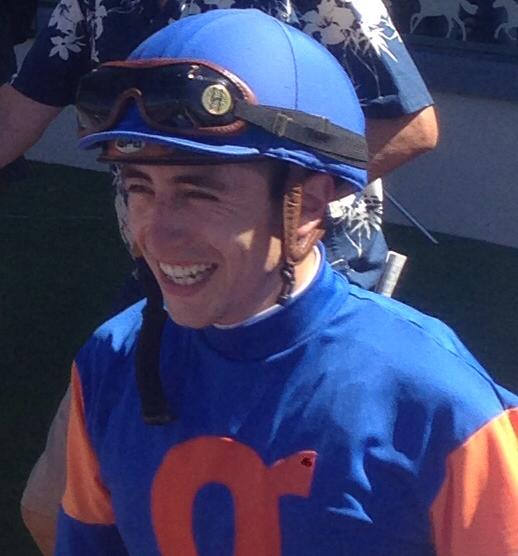
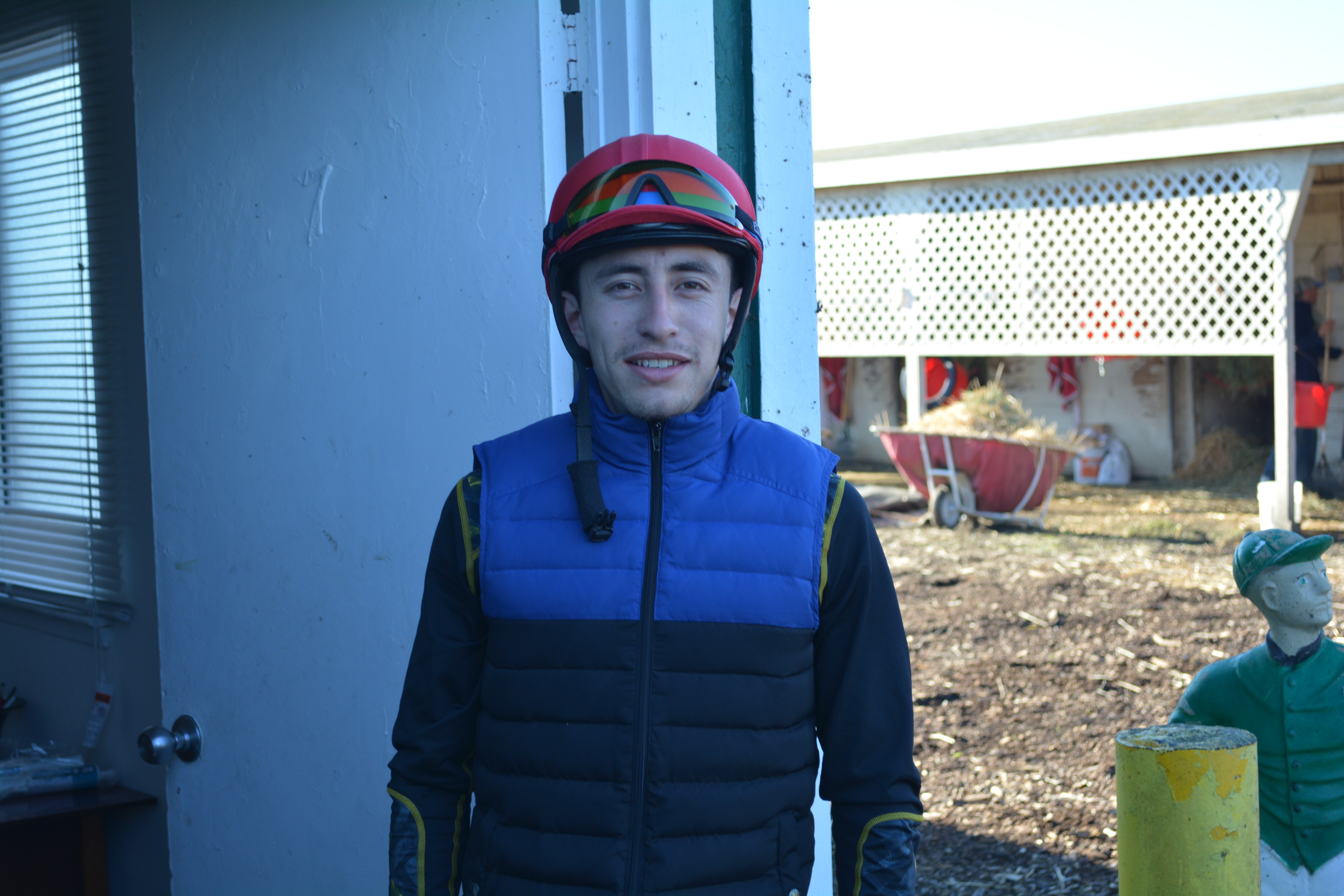
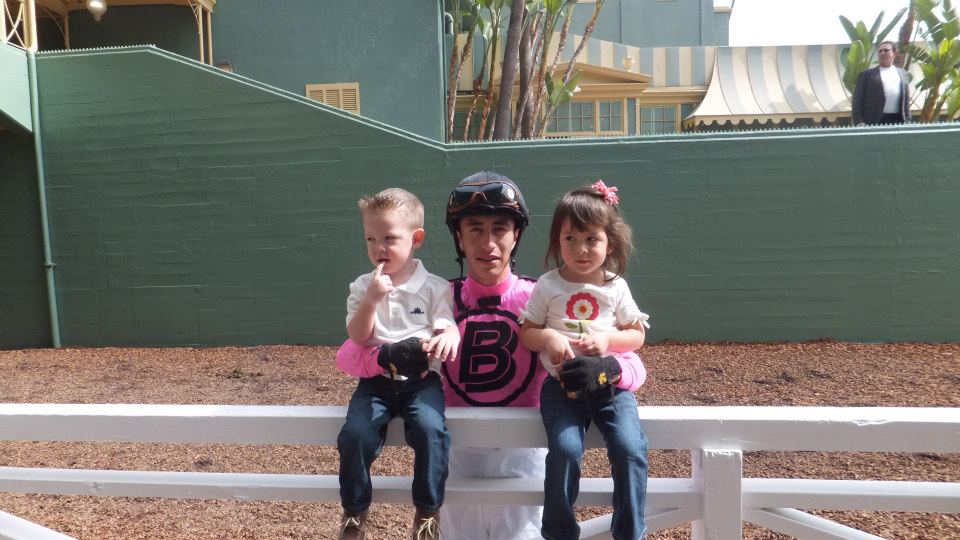
Juan”JJ” Hernandez has had a rapid ascent to success in Northern California racing. Since he arrived at Golden Gate Fields from Mexico City in 2008 he has ridden over 1000 winners for purse earnings of more than $18,000,000. JJ talked to Thoroughbred People about his riding career so far.

TBP: JJ Where are you originally from and how did you get started as a rider?

JJ: I am from Mexico City, I started riding races at the Mexico City track in 2008. My father was a quarter horse rider and rode in match races as well, so I grew up with that around me and I always wanted to be a jockey from an early age. My dad was galloping for a trainer so I got a job as a groom at the track and graduated to learning to gallop horses. Then I got licensed to ride as a jockey. I was leading rider when I was a bug boy in 2009, I rode over 200 winners in Mexico.

JJ1TBP: How did you transition to the US?

TBP: I had always been interested in US racing and used to watch all the Kentucky Derby and Breeders Cup races on TV, Curlin and Zenyatta were horses that made big impressions on me. Then I got a chance to ride in Puerto Rico’s biggest race, the Grade 1 Caribbean Derby – the Clasico del Caribe. The best horses come from all over Latin America for the race, Venezuela, Panama, Mexico etc.. My horse finished second and after that it got me more interested in riding in big races so I decided to give the US a try. My agent had some family connections in racing here so I came to Golden Gate Fields.

TBP: How did you adapt to the Tapeta synthetic track at Golden Gate after riding on the dirt in Mexico?

JJ: It was straightforward and I actually like riding on Tapeta a lot, it’s a very nice type of track to ride on.

JJ5TBP: Would you say you have a certain style as a rider?

JJ:Some people think I like to come late in a race from off the pace but I like riding front runners just as much and ride as many winners on the front end as I do on closers, but a lot of winners come from behind on Tapeta. I read the racing form before each race and see what the likely pace set up is going to be.

TBP: What do you like most about life as a jockey?

JJ: The fact that it doesn’t seem like work to me, I love my “job” and I love horses, it seems very natural to me.

TBP: Are there any parts of the job that you don’t like?

JJ: For me the only tough part of the job is not being able to eat what I would like to sometimes. I can ride at 113 when I need to and I go to the gym and workout regularly to stay strong and keep my weight good.

JJ3

 TBP: Do you feel your riding has improved since you came to the US?

JJ: Yes for sure, there are some great riders here who I watched and learned from. When I came from riding races in Mexico I was a little green and they ride differently there, the jockeys in Mexico ride much more aggressively, it’s a lot rougher style of racing than it is here and the stewards down there don’t bring you in for incidents in a race like they do here. It took me a while to adapt to the style here and I got a lot of bans and days when I first started here but I improved a lot in that area.

DSC_0588

TBP: Which riders did you follow early on and which riders do you respect the most?

JJ: David Flores is my favorite jockey, I think he is a great rider, very strong with a nice, unique style. He was also very good to me when I first started riding in Southern California and helped me out a lot with advice on things, like riding the sprint course down the hill.

TBP: You rode the great Shared Belief in his first ever race, tell us a little about that.

JJ: Yes I got the ride on him but I had never worked him before the race, I think Dennis Carr had been working him for his trainer at the time who was Jed Josephson. I remember Shared Belief as being very professional for a first time starter, even in the parade with the pony, a lot of horses first time they race are green and play around with the pony, but Shared Belief was all business. In the race we broke well and were sitting off the pace, and when I asked him he just took off and won easily. I was talking with my agent after the race and we knew he was a very good horse.

JJ4TBP: What is the biggest race you have won in your career so far?

JJ: My biggest race so far – I have won three Grade 3 Stakes, I won the San Francisco Mile on Hudson Landing, the Berkeley Handicap on Pepper Crown and the All American Stakes on Cigar Man and I am looking forward to riding more!

TBP: Do you have any horses who you ride regularly who you have got to know well or have become personal favorites?

JJ: It is always useful to ride horses several times in races because you get to know the horses style and habits, what they like and don’t like, how they like to be handled and where they want to be placed early in a race, for example whether they like to be inside on the rail or outside and how they like to be ridden in general. I would say most horses are pretty straightforward but maybe 20 or 30% have quirks or preferences that are good to know about. 

JJ7TBP: What are your short term plans, are you looking to stay at Golden Gate Fields or do you think about moving to another track in the US?

JJ: I spent eight months riding down at Santa Anita, Hollywood Park and Del Mar and things went well there, but I am very happy here in Northern California. My family is here  and things are going well for me so I see no reason to change anything right now. In the future I would like to ride some nice horses and big winners and maybe get some experience riding abroad in place like Dubai.

————————————————————————————

ThoroughbredPeople.com

The Interviews: Bloodstock Agent & ex-Trainer Greg Gilchrist

Greg Gilchrist 1

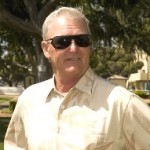
After a successful training career in which he trained 1529 winners for purses of over $24 million, Greg Gilchrist handled good horses like Lost In The Fog, Soviet Problem, Work The Crowd, Wild Wonder, Smokey Stover and Victorina. Greg now operates as a bloodstock agent for a select number of clients. Greg talked to us about his life in racing.

TBP: Greg how did you get involved in horse racing, were you from a racing background?

GG: I was actually kind of born into the racetrack scene. My father always told me I was conceived in a tack room in Longacres, so I guess I was destined to be in racing from that point on. My dad did a lot of things but training was one of them and he was pretty good at it. Things were different in those days, you didn’t have people with 200 horses and it was a totally different business, you had a lot more “mom and pop” stables, and that’s kind of the way I came into it. When I wasn’t in school, I was at the racetrack.

 TBP: Did your Dad train at Longacres?

GG: He did but he trained all over, my family was originally from Nebraska and Colorado, so anywhere up and down the West Coast, from the biggest places to the smallest.

 TBP: When you were growing up did you ever think you might do something else for a living other than horse racing?

GG: Well I loved racing and I always thought at the back of my mind that I would end up working at the racetrack. I was raised in the Northern part of California right on the Oregon border. When I got out of high school I went into the army for two years, and when I came out I went straight back to the track.

TBP: Did you volunteer or were you drafted?

GG: Well both… I was kind of wild in those days… There was a lady judge in town and I went before her one day, she said “Gregory I certainly hope you brought your toothbrush with you today” I said “Well why’s that judge?” she said “Because you’re going to be staying with us for a while…”   I didn’t want to do that of course, and in those days in certain circumstances instead you could “volunteer” for the draft. But if you volunteered for the draft – you knew you were going to carry a rifle. So I was with the 82nd Airborne in Vietnam. I did my two years and came back to the track.

TBP: Who are the big horses and riders that you remember when you were a kid first becoming aware of the game?

GG: Well we’re going back a long way… When I was a little kid Longden, Shoemaker, Arcaro, those kind of guys were the big riders. I remember Swaps well but I think the best horse I ever saw was Secretariat, for me he was probably the best horse of any era I have seen. I think that horse could have beaten anybody at anytime.

 TBP: Did you watch the 1973 Belmont live as it happened?

GG: I did. Secretariat just destroyed Sham that day. Sham was a very nice horse in his own right, but in the Belmont, Laffit Pincay had his stick out and had Sham under pressure a full three quarters of a mile from home. Secretariat just broke his heart.
Greg Gilchrist 4TBP: So when you came back from Vietnam what did you do at the track?

GG: Well racing was different in those days and you learned to do everything from the bottom up – I galloped horses, groomed horses, hot walked horses, you even did most of your own veterinary work back then, you did everything, but I really think it was a good thing because you learned to respect the thoroughbred more than some folks nowadays.GG: My dad had a string of five or six horses and I would help him out and freelance galloping horses. Then I became an Assistant Trainer for a couple of years and then went into training on my own. I started with half a dozen horses at Turf Paradise in Phoenix, Arizona. It was just me, I had no help. I was the trainer, the groom, the exercise rider, it was a one man show – I had horses on ropes, in stalls, in the van and everywhere – it wasn’t quite the polished organization you see in most stables nowadays.

TBP: Was there a point where you got a break and things started to get better and turn the corner for you?

GG: Yes there was, and I think when those opportunities come along you better be ready to step through that door and make the most of them because you don’t know how many chances you’re going to get. I was very fortunate that when I went to Phoenix it was pretty much a one way trip. People sent horses with me from California that they did not need to come back, so it made it easier for me to run those horses in easier spots where they could win so we won a few races.  I remember in around 1975 when things were tough and I had just one  horse left called Tommy Terrific. I was thinking about what the heck I was going to do. The phone rang and it was John Harris, he said if you come back to California I’ll send you three or four more horses. Before the phone was hung up I was in the old Dodge with old Tommy Terrific in the trailer and we were heading to Golden Gate Fields. So I started my long relationship with Harris Farms and Golden Gate.

TBP: Tell us about Lost In The Fog. How did you acquire the horse?

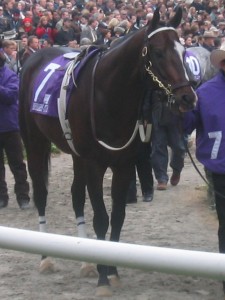
GG: He was in the Ocala two year old sale in Florida. When I looked at him a lot of people, including Jess Jackson, were also looking at him. I said to my client Harry Aleo that we were probably in pretty deep as Jess had a little more money behind him than we did. We bid to $190,000 and someone came back at $195,000. I said to Harry Aleo that I didn’t want to go to $200,000. He wanted me to keep bidding but I didn’t, so we didn’t get the horse. But then I found out that he had a reserve on him of $199,000, and the people came back to me and said we’ll sell you the horse for $190,000. I told them we’d think about it as I wanted to see what else I might pick up as the sale still had a few more days to go. Anyway we bought a couple of other horses and came home. About a week later they called and said we know you want this horse – you can have him for $150,000. I was very excited but kept quiet and said I’d have to call Harry. Harry said let’s just write them a check. I called them back and said we won’t give you $150,000 but we will give you $140,000, and the deal was done.
Lost In The Fog Paddock

TBP: When you saw him at the sale what was it you liked about him?

GG: Well the main thing was that he was a very well balanced horse and a great mover. Big, stout and good looking. He didn’t work particularly fast, I think he worked an eighth in 10.3, but the way he moved he just had no wasted motion whatsoever. I think balance and movement go together and that’s a recipe for a good racehorse. The pieces have got to fit together real well and that’s really what he brought to the table. 
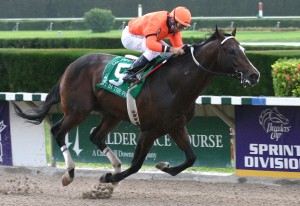
Lost In The Fog TrackTBP: After the sale did he ship straight to your barn to train?

GG: Yes they shipped him out to my barn at Golden Gate. The first time we worked him he worked off the charts. Then Russell Baze worked him a half in 46.3. He was developing sore shins and I told Russell that he was going for some rest at the farm. He said “Just let me know when he comes back. I’ll be glad to get on him anytime.”

TBP: What was Lost In The Fog like to be around, what kind of personality did he have and how was he to train?

GG: He was an easy horse to train, a kind horse to gallop. He was a big stud horse of course, if he wanted to hurt you he could, but the worst thing that he did was bite. The poor groom that rubbed him was paid handsomely but he got a few scars out of the deal too. Other than the biting he was fine.  Training him, the thing you had to watch was that when you breezed him you didn’t accidentally breeze him too fast, he would look like he was doing nothing and still do a bullet work, so you had to be careful with that.

TBP: What would you say was his best race, his finest hour?

GG: Probably when he won the Kings Bishop at Saratoga. That was a great race and a great day.

TBP: Did it ever cross your mind to stretch him out, maybe look at races like the Met Mile?

GG: It did, because coming along as a three year old he started getting all the Kentucky Derby, Triple Crown hype. I took a lot of flak from a lot of people for not going for the Derby, but I don’t think he would have got a mile and a quarter if you’d dropped him out of an airplane. I think a one turn mile would have been possible, he won well over seven eighths, but anything much beyond that, no.

 TBP: How do you feel about his Breeders Cup Sprint defeat reflecting back on it now and what do you put it down to?

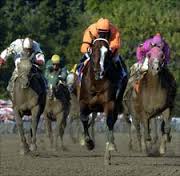
GG: I can’t tell you how many times I’ve thought about that. The Breeders Cup Sprint was the first time I’d gone over there with him not feeling confident that he was going to win – or as close as you can get to feeling that, let’s put it that way. I was walking over with Mike Welch of the Daily Racing Form, I’d been with the horse all day and Mike who is a good friend of mine said “Greg you seem a little troubled.”  I said “Mike if I could I would just take a left hand turn right here, take this horse back to the barn and not run.”  There was something not right. When he was being shoed he kept trying to kick the shoer and he never did things like that. Then when I went to put the saddle on him he was rearing up, which again was really out of character for him. When the race started he broke good and coming round the turn he looked like he might win, but then the last eighth he was just a dead horse. I really think looking back that those cancerous tumors were starting to bother him and I think that was probably the start of that right there.
Lost In The Fog 3

TBP: When Lost In The Fog got sick, how did you find out about it?

GG: I had taken the horse to Churchill Downs, and we had just won a Grade 3 there, the Aristades, he broke the track record. I think that was also one of his best races – he died just a 100 days later. We took him home, I had finally talked Harry Aleo into selling him and we had the horse sold to John Sakura at Hill’n’Dale Farm for ten million dollars.
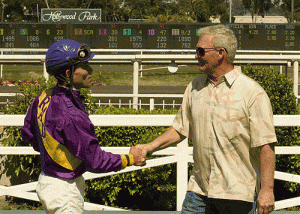
Greg Gilchrist 2I remember it was on a Friday and he started colicking. I told the vet I wanted him to go to UC Davis right away, he was probably going to be fine but with all that was on the table we couldn’t take a chance. We got him up there and by the time he arrived the colicking was over and he was fine. Then the team there said “Do you mind if we check him out anyway and take some pictures”. I said sure, and then they came back after they’d taken a look and they said “Greg has this horse ever been cast or been kicked?” I couldn’t give them any specific instance so I asked why they were asking, and they said they saw a large mass up by his spleen and they couldn’t identify it. So they kept him up there to do a biopsy and a couple of days later we found it was cancerous. They actually wanted to put him down then. So they kept him there and I started driving home. I got about halfway and I said to myself “No – we’re not doing that ” and I turned around with my trailer and went back for him. I took him back to Golden Gate where we had him for another thirty days. I felt there was still some good time left and there was, but then one evening things were just not good and I called the vet and said “Bring the blue water, we’re going to put him down” and that was the end.

TBP: How did his owner Harry Aleo take it?

GG: Not well, it was tough on all of us, the horse was like a person. We knew the end was coming, we just didn’t know when.

TBP: Well Lost In The Fog certainly had a great run and lit up Northern California racing for a good while. He will never be forgotten. Let’s talk about Soviet Problem, the great racemare you trained in the ’90s, how did you come to train her?

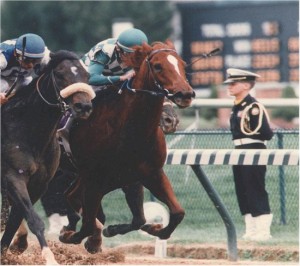
GG: She was a Harris Farms horse, it was kind of funny because I had previously had a couple of babies out of her mother Nopro Blama, they hadn’t been much good, I think I sold one of them for $3000 or so the year before, and this was her fourth or fifth baby, so I asked John Harris how long he was going to keep breeding the mare and he said “Greg just take this one and see what happens” and you know what happened… I think she won 15 from 20 starts, many nice stakes races and got beat a head or so in the Breeders Cup Sprint.
Soviet Problem 1

TBP: Did she show you she was a good horse when you started working her?

GG: Right away. I knew she was a runner. And in the Breeders Cup Sprint back then there was no separate fillies and mares sprint, there was only one sprint and you had to go against the boys. She led every step of the way and Cherokee Run caught her at the wire. I have always felt that she should have been given the Eclipse Award that year. I actually talked to Andy Beyer about it three years ago, Andy and I were having dinner in Saratoga and he brought up Soviet Problem and said “Greg, your mare should have won the Eclipse Award that year.” He thought that if we’d had TVG and HRTV in ’94 there might have been more support for her, but it’s history now. 
Greg Gilchrist 4

TBP: What was she like to train and be around?

GG: She was a very big, masculine mare. She was ok to train but she was another one you had to be careful with her works as she always wanted to work real fast and made it look like she was going slower than she was, a lot of the good ones are like that. She wasn’t really a friendly mare, she didn’t care for people too much and liked to be left alone.

TBP: She could route as well as sprint if I recall. Who rode her the most?

GG: Yes she could, she mainly sprinted but she also won a mile and sixteenth on the grass. Russell Baze, Randy Schacht and Chris McCarron rode her. She won just under a million dollars.

TBP: Another great mare you had around that time was Work The Crowd.

GG: Yes, Work The Crowd was more of a distance horse, by Political Ambition. She was a great turf mare, I don’t think she ever ran on a turf course that she got beat on. She won on the turf at Bay Meadows, Golden Gate, Hollywood Park, Del Mar, Arlington Park. I don’t think I ever saw a horse as enthusiastic about getting on to the turf course as her. As you know they warm up for the turf races on the dirt track and then cross over onto the turf course. I used to watch her warming up and when she moved across on to the turf course she would just start really bouncing. She beat some nice horses and won some nice races in her day.

TBP: How did she compare to Soviet Problem build and personality wise?

GG: Their personalities were a lot different. Work The Crowd liked people, she was always coming to the front of her stall to see what was going on, she was a nice horse to be around. As far as their frames and the way they were built, it was easy to see why one was a really good route horse and the other was a sprinter as Soviet Problem was a big, bullish, quarter horse type and Work The Crowd had that more angular, lengthier build with a real long stride on her. 

TBP: In our interview with Billy Antongeorgi we asked him who his favorite horses were and one of them was Victorina, who you trained to win a lot of races.

GG: That’s right, Billy loved Victorina. She was one I bought for  Harry Aleo, we got her from Mark Casse out of his consignment in Ocala, Florida. She was by Delaware Township and I think we gave $140,000 for her as a two year old in training, which was quite a lot of money given her breeding. She was not a big horse, she was a light framed filly but she just moved so well with this daisy cutter action, all her movement was forward, she didn’t go up and down much. First time we ran her was at Santa Rosa where she won. She went on to win at I think eleven different racetracks, I took her everywhere. She really loved and thrived on being a part of racetrack life, if you had twenty horses down the shed row and you were running any that day you could guarantee that she would be the one at the front of her stall looking out whether she was running or not. I turned her out on a farm once for a rest and she came back looking terrible, so from that time on whenever I wanted to give her a break I just kept her at the track. She did a lot better in the barn than on a farm. She won all over the place, she won a graded stakes in Florida and was graded stakes placed at Santa Anita but you could take her to Stockton or Santa Anita, it didn’t make any difference to her, she would always run her race.   She won from five furlongs to a mile and an eighth, she was just a very good horse.

TBP: What other horses have you had over the years that were your personal favorites?

GG: Well there have been many, but back in the seventies we had a horse called Gold Seal who belonged to my mother and father. We bought him for $1500 and he won 32 races won and close to a quarter of a million, which was a lot of prize money in those days. He was quite a horse. A lot of my other favorites have not necessarily been very high class, they’ve just been those hard knocking, hard trying claiming horses.
Harry Aleo 1

TBP: Tell us about the late Harry Aleo who you trained many good horses for, how did you get introduced and what he was like to train for?

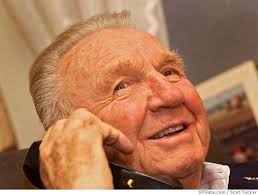
GG: I was running horses at the Sacramento Fair in 1979, and there was a message at the stable gate for me with Harry’s name and number. I called him, he said lived in San Francisco and that he would like to get into the racing business. He was very cautious and I was very straightforward and I told him that if you are looking for a safe place to put your money there are safer places than racehorses. But he’d made his money, he was looking to have some fun with his life and he loved the races. A friend of mine had a horse for sale at Pleasanton called Sunny Shy and we bought him for $10,000. We ran him the first time and he ran fourth or fifth, and then we won with him the next time but he was claimed away from us. So we just started claiming some more horses and we did well, Harry was one of those people who luck kind of followed around. As time went on Harry wanted to improve the quality of his horses so we started going to the sales in Kentucky and Florida and again we were lucky, we got some very nice horses over the next few years. Horses like Smokey Stover, Wild Promises and Beyond Brilliant – we bought Beyond Brilliant from the same people we later bought Lost In The Fog from. Harry left you alone to train the horses, he always had input but he would always say to me that the final say would always be mine and he kept to that for the thirty or so years I trained for him. You don’t see many relationships in racing these days that last that long, they are few and far between. He was a great man, a great person and I probably wouldn’t have achieved what I did in the horse business if it wasn’t for Harry Aleo.

TBP: Why did you quit training when you did and do you miss it?

GG: I do miss it. Monday through Friday I don’t miss it too bad, Saturday and Sunday I get a little itchy probably. I certainly don’t miss it at 4.30 in the morning seven days a week. There were/are a lot of things I want to do with my life that I wasn’t getting done and I knew if I carried on training with the 24/7 nature of the business that I probably wouldn’t get them done. It’s like farming, you never really get time to quit for a while, it was always on your mind no matter what you did. So I kind of made up my mind to finish. Somebody said to me well why don’t you just keep a small barn with five horses or so and I said whether I have five or whether I have thirty five, I will still be at the barn 24/7 because that’s just the way I do things. I know myself well enough to know that I just needed to take a walk at the time. The game had been very good to me, but another factor was that there were some things going on in racing that had disappointed me a little. People making decisions in the business who shouldn’t be making those decisions because they don’t really have the background or qualifications to be making them. So rather than “fight city hall” as it were, I just decided to let it be and stop training.

TBP: How did you transition into bloodstock agency and is it a full time or part time situation for you?

GG: After I finished training a couple of people asked me if I’d buy horses for them and I said yes. It wasn’t a business at the time, but it has been growing and if I’m not careful I’ll soon be back working full time again…. But I do enjoy it, it’s something I’ve been fortunate enough to have been pretty good at. I tell people if I buy you ten horses, two of them are probably going to be really good, two of them are probably going to be worth nothing and there’ll be six in between. I have built up a small clientele and it’s just like when I was training horses, I don’t want a lot of clients. I want a few good clients who understand the business. That makes the job a lot less difficult and quite frankly it will make the success rate a lot higher too.
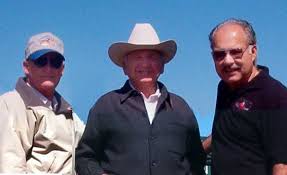
harry and greg

TBP: Have training methods changed a lot since you started out in the ’70s?

GG: There have been tremendous changes. I think we used to breed a more durable, stronger horse. It was nothing for horses to be running when they were seven, eight or nine years old. It’s hard to find those kind of horses now. And some of the good horses that win the big races, they have eight or nine starts and that’s a career for them. I think too that in years gone by you used to have to be more of a horseman than you do now. The vets control so much of it now, we have so many tools and medicines these days. I think that one of the reasons horses used to last longer was that we didn’t have all those solutions before, and when a horse got a problem he went off to the farm and healed up in the proper way. We didn’t expedite things with some kind of synthetic solution. I think that’s made a tremendous difference in the way people train horses. If you are going to train and you’re going to win and you’re going to stay at a high level, you’re going to have to do some things that you don’t want to do. That doesn’t mean that you’re not taking care of the horse, when things get expedited it doesn’t mean you’re hurting the horse, but often you are actually shortening their career.

For example, whether to do a cortizone injection on a horse was a big decision when I started training. You called the owner and talked it over, it was a long thought out discussion, you discussed should we do this or should we give the horse time, because injecting a horse’s ankle was a big deal then and it wasn’t something that you took lightly or for granted. As for medications and drugs in general, there are some good drugs out there that help horses. It is just how they are used and if they are abused that gets people in trouble.

TBP: Lasix has been legal here for several years now but there is talk of it being made illegal in the future. Europe, Ireland, the UK, Australia and many racing nations have thriving racing industries without it and their horses seem to last longer too. Do you think Lasix will one day disappear from US racing?

GG: Well look at the way we run horses here compared to Europe and other countries, they give there horses more time there and they have longer careers as a result. I don’t know if Lasix will ever be abolished here, I think it is a helpful drug. People say that people are masking other drugs with it, maybe that’s true, maybe it’s not true, but I would say that in 99% of cases it’s not true. I think if you did take Lasix away racing would just continue and go right on, but people would have to train differently. However if you take it away people will start finding other ways to get ahead as they will in any other competitive business. One thing though I will say is that horse racing should decide which drugs are legal, have a national horse racing commissioner and make the rules across all states the same. It seems like such a simple thing to do. The problem is that none of these jurisdictions want to give up the power that they have, but it would be so much better for racing if this could happen.

TBP: What is your opinion of the synthetic track situation?

GG: I think California was very hasty in the way it went about putting the mandate in place a few years ago.

They were talking about how they were doing it for the safety of the horses. I actually believe it had more to do with money and I think the tracks perceived that the synthetics would be less expensive to maintain and operate and that has turned out not to be the case. I’m not a proponent of synthetic tracks. Another problem is that some horses have problems getting used to the kickback of dirt when they switch between dirt and synthetic. I don’t think the experiment has worked and I think that we should just go back to the good dirt and sand mixture that worked for years.
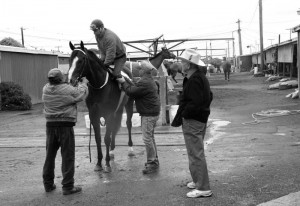
Lost In The Fog 2

TBP: Looking on the bright side for California racing, what good things are happening?

GG: Well I think we have lost the tracks that we were always going to lose, Bay Meadows and Hollywood Park. I don’t know the future of Golden Gate but I think they will continue to run for a while until that property is one day sold. I think that Del Mar and Santa Anita are here to stay, and from what I hear people like what they have done at Los Alamitos, it looks like it’s a good track that has a future. I think the future is bright, I do wish we could get some better stallions out here – but guess what, we won the Kentucky Derby this year! 

TBP: If you were in charge of racing and you could make some decisions what would you do to improve horse racing?

GG: I don’t think I would make a lot of changes, or any major changes as I think we have what we need already, but it is how we administrate it that needs looking at. As we discussed with regard to drug policy, name me a major sport that doesn’t have a national commissioner. Basketball, baseball, football, hockey, they all have this in place. Claiming rules are different state to state as well for example, we would be so much better off if we could unite the racing states and have a national policy and set of rules for everything. Drug policy and rules would be understood and uniform across the country and rules would be enforced. You would get one chance, you would get a second chance and the third time you break the drug rules – you’re out.  I think making all tracks uniform in their type of surface would be a very good thing too.

TBP: What do you think about the Triple Crown and calls to change it’s structure? Do you think we were lucky to have three Triple Crown winners in the ’70s.

GG: I don’t think you should change it, you would undermine it’s credibility. And I don’t mean to discredit any of the good horses running today, but I think if either Secretariat, Seattle Slew or Affirmed had shown up in 2014 or any recent years, any one of them would have won the Triple Crown that year. They were great horses. When they won it in the ‘7os the challenge was the same, they were still facing fresh horses being thrown at them in the Preakness and the Belmont just like California Chrome did this year. That’s just a part of it and one of the reasons why it is so challenging to win. All of the things that make it difficult are what make it what it is.


————————————————————————————

ThoroughbredPeople.com
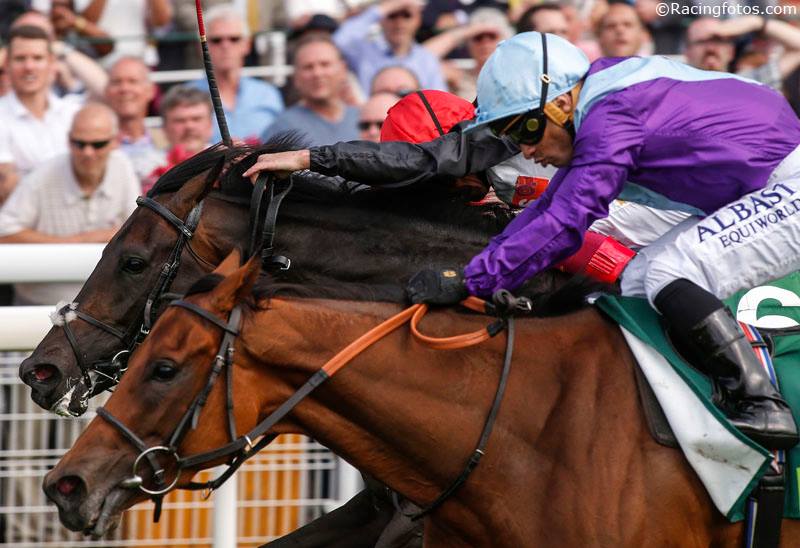
Let’s see some more Handicaps please!

Santa AnitaOn Superbowl Sunday close to a full field of eleven horses went to post for the “Super Bowl Party Handicap” over a mile and and eighth on the Turf at Santa Anita.  The straightforward race conditions were simply that runners must have run for a claiming price of $25,000 or less in 2014-2015. The culminating variety of horses entered produced a refreshingly intriguing contest and handicapping puzzle with horses whose last races run ranged from $12,500 claimers up to Allowance/Optional $80,000 claimers, with last out Beyer speed figures ranging from 65 to 89. Weights were allocated and spread from 124 at the top to 114 at the bottom. The purse was $40,000 plus $4,800 from the Cal Bred Owner Fund.


Hats off to whoever put this handicap together to produce a race in which trainers and owners could enter horses with a broad range of abilities for a pot of $40,000, (plus $4,800 from the the Cal Bred Owner Fund), without risk of them being claimed.


Across the country, but particularly in California, racing secretaries struggle to fill races each racing day and five and six horse fields are sadly the norm for traditional, rigidly framed claiming races. So why aren’t we seeing more of these handicap races being carded by racing secretaries? They would surely regularly fill with good sized fields. Betting handle would be strong due to the size of the field and the fascinating handicapping contest that the various abilities and weights carried produced. How about increasing the weight ranges and therefore the pool of horses to pull from further to 15, 20 or 25 pounds? Radical? Not at all. In Europe, Ireland, the UK, Australia and the rest of the world handicap races with full fields are run every day with horses carrying and winning with weights ranging from 105 to 135 pounds or more.
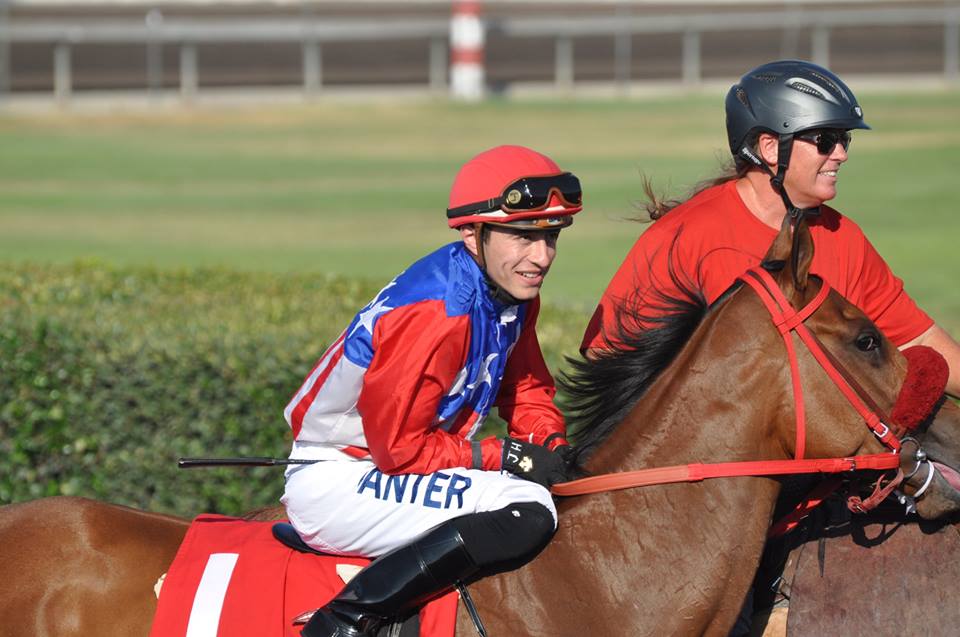
 

If traditional types of claiming races in conditions books do not have the supply of horses on the grounds to fill them then it makes obvious sense to innovate, combine and frame races around the horse population. The Super Bowl Party Handicap was a great example of how to do it. In this race runners were not for sale and the weights were allocated by the racing secretary at the draw. But there could be an additional option for an equally intriguing type of race that would provide fans with a full field of horses to handicap.


Let trainers and owners who are happy to run their horse for a tag determine their horses claiming values and weights by racing against horses in to be claimed for a broad range of different prices in the same race. Have the weight carried determined by the claiming price set by the trainer/owner. An example could be a claiming race with a maximum claiming price of $25,000 where horses to be claimed for that price carry 128 pounds. Each horse entered would be allowed 1 pound for each $1000 entered to be claimed for below $25,000. In for $25,000 – 128 pounds. In for $15,000 – 118 pounds. In for $10,000 – 113 pounds.


Worth a shot – isn’t it?


See the chart for the Super Bowl Handicap    http://www.equibase.com/static/chart/pdf/SA020115USA7.pdf


The Interviews: Former Professional Baseball Player Now Trainer, Frank Lucarelli

Frank Lucarelli

In 1979 Frank Lucarelli left the world of professional baseball to start a career as a racehorse trainer. Currently running a diverse operation racing horses each year in Washington, California and Arizona, Frank has now trained over 1500 winners. Frank talked to us about his training, some of the horses that have been through his hands and his views on the current state of thoroughbred racing in California and the Pacific North West.

TBP: Frank how did you get interested in horse racing?

FL: My dad owned horses, not many just one at a time or so, just cheaper claimers for some fun and interest and as a kid when I was 8 or 9 years old I used to go to the Longacres track in Washington with him. My dad was at the track just about every day, he had his own box and I would go at weekends when I wasn’t at school. I loved it straightaway, it was great.

TBP: What was your first experience of working with racehorses?

FL: As a kid when I was still at school my Dad’s trainer, Neil Knapp hired me part time, so I worked cleaning stalls and walking hots. Neil is actually still training up there, he’s a great horseman. I started grooming horses when I was fourteen in the school holidays.

TBP: This was in the ’70s, who were some of the top riders at Longacres in those days?

FL: The main guys were riders like Lenny Knowles, Tex Hollingsworth, Paul Fry and Larry Pearce, they were good solid jockeys.

TBP: How was business at Longacres at that time?

FL: Longacres was booming, as was thoroughbred racing in Washington in general. There was a thriving Washington breeding industry too, they raced five days a week.  There was a big horse population, the back stretch was full and I could hardly get stalls there. If I applied for six or eight stalls I might get two, if you put in for twenty you might get six or eight, so you had to apply for stalls at the training centers that were in the area, places like Riva Ranch, Cedar Downs. The training centers would have 150-200 stalls with a training track and authorized official clockers coming in once or twice a week.

DSC_0561TBP: How did you get started training on your own?

FL: After I left school I went to college for three years and then played baseball as a professional. After I got released from baseball in 1979 I went straight to the track and applied for my trainer’s licence. I had all that experience working part time at the track as a kid so I passed the trainer’s test ok, it was pretty straightforward, and I went to Portland Meadows that fall with one horse. Ed Moger Jr. who trains in California now is a good friend of mine who I have known since we went to high school as kids together, he had a good sized barn of horses there and he helped me out too. I got another couple of horses and did well with them and then got a few more and a couple of new clients, but it was a slow trickle over quite a few years before I had a decent sized barn. By the early nineties just before Longacres closed in 1992 I had built up to around twenty five head. Then Longacres closed and we moved to Yakima Meadows and things got tough, I lost several clients who didn’t replace horses when they were claimed and I was back down to five or six horses. I was making ends meet by coming home and selling cars in the week and going back to Yakima for the races at the weekend. Then Emerald Downs opened in around 1995 and things started to get better and come around for me.

TBP: Tell us about your current training operation.

FL: My main barn is at Emerald Downs, I have forty to forty five head there and it’s home base. Then I have a barn at Turf Paradise in Phoenix in Emerald’s off season, and at Golden Gate Fields in Northern California in the winter too. I have  some good help, I have assistants at Turf Paradise and Golden Gate and I 

DSC_0575travel between the two tracks in the winter. When Emerald is running in the Spring, Summer and Fall I’ll spend most of my time there, but I will keep a smaller operation at Golden Gate Fields going year round as there is no Turf track at Emerald and I’ll have some horses who like to run on the turf or the Tapeta track at Golden Gate. So I have options and can split my horses up for where they fit best.

TBP: How do you like to train horses, do you have a particular style of training?

FL: I don’t like to train my horses too hard, I like to give them nice easy works but I like them to have nice long strong gallop outs. Often a half mile work of mine will be more like a slow six or seven eighths work by the time they have finished galloping out. I was an athlete myself and I have a lot of friends who are athletes and like human athletes I think horses need to be kept busy doing something every day.

DSC_0572TBP: Do you think horses are more fragile now than when you started training, and what do you think about the medication debate?

FL: I’m really not sure, I think injuries are always going to happen no matter what. I think there is a place for Lasix as long as it is administered correctly and not abused. I don’t think it has a long term negative effect on the horse and I think if it goes away people will look for and find something else to replace it. I think Bute is acceptable in training too. All athletes, human and equine get aches and pains and need some help medication wise from time to time.

TBP: What aspects of training horses do you enjoy the most?

FL: I love claiming horses and moving them up, but I like to spot them a while before I claim them and that’s a little tougher to do when I am moving around between barns so much. When I am at Emerald for several months it’s less difficult as I can get a good line on a horse. I like to look for horses, for example, that are running at Emerald with turf breeding or an off pace stalking style that might be better suited by the turf or synthetic track at Golden Gate Fields. Or horses that are running at Golden Gate who have a ton of speed who are giving it up late, those horses at Emerald can get home and win.
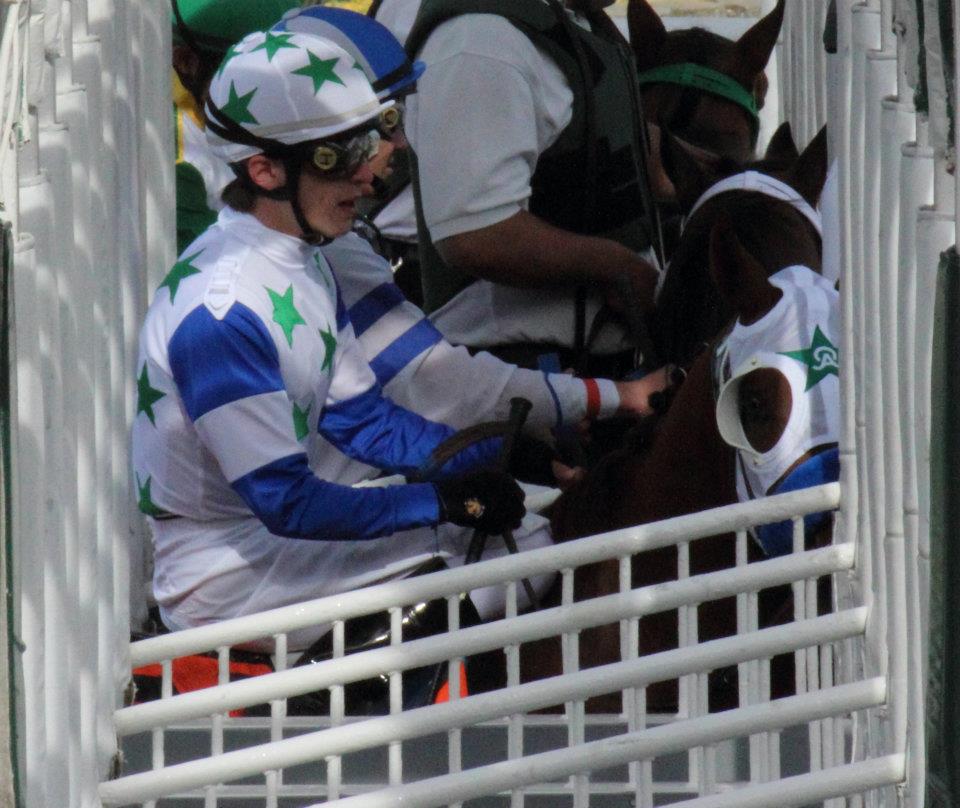
DSC_0570TBP:  What parts of the job can you do without?

FL: The injuries when they happen are the worst thing, you always worry about that and that’s the one part of the game I don’t like. It’s always in my mind and I am very careful and cautious and I always go over and thoroughly check my horses before they work, but things are still going to happen in training. Telling an owner that their horse is hurt is always tough to do, but I made a rule for myself several years ago that if I don’t like a client or I don’t feel I can talk to them about tough situations I won’t train for them. Fortunately I have a great group of clients who have been with me for many years who know the ups and downs that come along with the game.

TBP: What kind of horse do you like to look for when you are buying, and what kind of confirmation faults can you live with?

FL: Well my clients really don’t go to the sales with a lot of money so when we go looking we have to have a little bit of luck with us. We’ll go to the last three or four days of the big Kentucky yearling sale and we’ll go looking for horses in the $20,000 range. I look for an athletic horse that has some balance and some depth to them, through their shoulder and their girth. I can live with some flaws, if they turn out at the ankle a little I can live with that, but I’m not crazy about pigeon toes or offset knees. We sit in the back ring there at the Kentucky sale and watch them come in, we’re looking for horses with that balance who walk well and we’ve bought some good horses inexpensively that way.
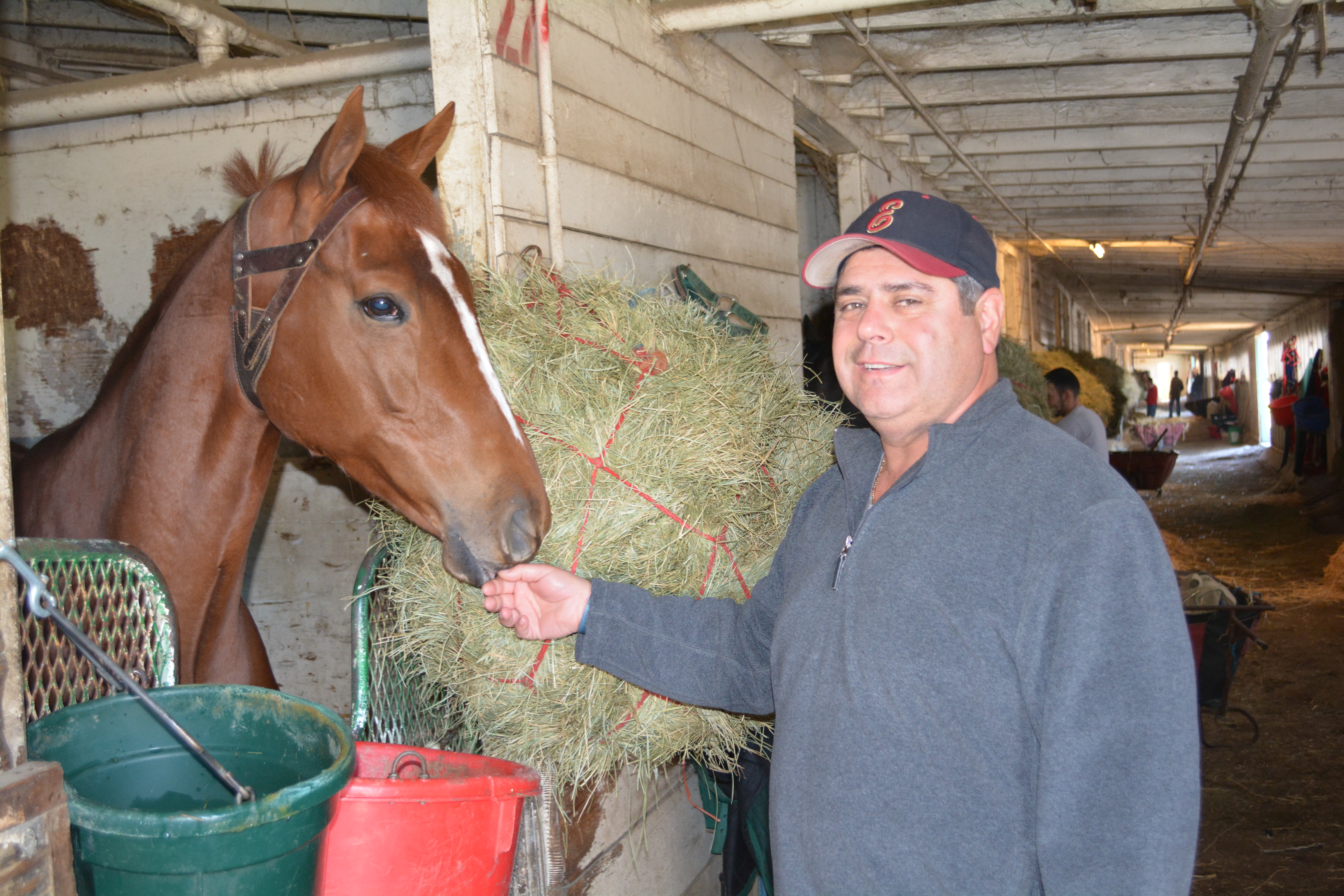
TBP: Have you had any real good horses that were very bad conformation wise?

FL: Not many, most of my good horses have been well put together, but one that does spring to mind is a filly I had in the Longacres days called Nifty Misty Dawn. She was horse of the year up there, she won the Washington Oaks and won or placed in five or six Stakes races. She was very crooked and a big heavy filly too. She was offset kneed and she turned out quite badly on one leg. You would never have bought her in a sale, she came to me from the owners who had bred her who realized how bad her confirmation was and they weren’t even sure whether to bother putting her in training. I said let’s give it a shot and see how she goes for a while and she was surprisingly easy to train, she worked well and we knew that she could run. She won the first time she ran and went on to do really well.

TBP: What other horses that you have trained have been personal favorites?

FL: Gallant Son was one of my all time favorites, we gave just $9000 for him at the Kentucky sale. He won several stakes races and we ran him in the Breeders Cup and the Santa Anita Derby although he didn’t show his best form on those days. One of the great days with him was when he won the Inglewood Handicap at Hollywood Park and beat Acclamation. He beat some other great horses in his races and ran some 100+ Beyers. He was very versatile, he could run short or long and won on dirt, turf and synthetic. He was really nice to train but was a tough horse in the stall, he’d bite and nip, but when you threw a bridle on him a three year old kid could walk him over for the race and he was all business. He was a good work horse but you could rate him in his works and his races and he was very tractable. He was a beautiful looking horse too and is now standing at stud.

Stormy_Lucy_Santa_Barbara2014_615x400_origA really nice filly I had was Stormy Lucy, by Stormy Atlantic. She was a medium sized filly who won the Grade 2 Santa Ana stakes at Santa Anita. The owner gave I believe around $23,000 for her in a sale. She was easy and nice to be around but a bit ticklish to groom and would play around in the stall. She showed that she could run in her works so we ran her in a Maiden Allowance first time out and she ran fourth. Then she won a $30,000 Maiden Claimer at Santa Anita but ran poorly next time in a Starter Allowance. She came back breathing badly, so we did a throat operation on her to help her wind and then shipped her to Golden Gate and she won her Starter

Emerald DownsAllowance there at big odds, I think she paid $64. From there she just carried on improving and she eventually won over $500,000 in prize money.

Another of my favorites was a horse called Michael The Man who I owned myself and named after my son. He wasn’t a stakes horse but he was a real neat horse to have, he was a good consistent claimer and it seemed like every time you were a little short of money he would pop up and win a race for you. He was a real mellow, pretty horse, easy to train and he ran well every time I ran him, once he got the hang of things. Having said that, the first time I ran him for Maiden $12,500 at Emerald he got beaten 12 or 15 lengths, but I knew he had ability and was bred to go long so I brought him down to Golden Gate and he got good there on the Tapeta. I sold him privately for $55,000 and he eventually won close to $200,000.

TBP: Do you have many horses who want to go a distance?

FL: Yes, obviously many horses are sprint bred but I do have several horses who are more suited to going long. It is frustrating that there aren’t more distance races being run, the race program seems to be producing shorter and shorter races, I’d like to see more races run over a mile and a mile and a quarter, I think there are plenty of horses who need those kinds of races. If I had my own Thoroughbred track, aside from 2 year old races early in the year the minimum distance would be six furlongs. I don’t like to see so many of these five and a half and four and a half furlong races, I think they are hard on horses and longer races where the early pace isn’t so fast are better for them.

DSC_0561TBP: What is your opinion of the Tapeta track at Golden Gate and synthetic tracks in general?

FL: I like the Tapeta track a lot, I think it’s a great track to train and run on. It gets horses very fit – you can bring up a horse that’s been training at Santa Anita and they will come up short on this track, but you can train a horse on the Tapeta here and take them anywhere and they will be fit enough. I know they have been taking these synthetic tracks out and going back to dirt, but I think it’s a shame that the Tapeta wasn’t the first choice of synthetic at Santa Anita when they switched from dirt to synthetic a few years ago. I’m not sure why they didn’t choose Tapeta at Santa Anita. It might have been a different story for synthetic tracks if Tapeta had been the choice for synthetic tracks in general.

The Tapeta track at Golden Gate is different and faster now though now compared to how it was when they put it in. They weren’t supposed to renovate it much apparently, but they renovate it a lot now and the track seems faster now.

TBP: How do you feel about the state of thoroughbred racing at this time?

FL: What concerns me is the horse population, there is a shortage of horses everywhere, which is a product of a shortage of owners of course. We need to get more people educated and involved in racing. It’s easy to give racing a black mark when people see a horse get hurt on the track, but what people don’t see is all the good things that happen and how well the horses are cared for and looked after. I like to bring people to my barn and show them the barn and the horses and answer their questions, because most people have very little understanding of it all and are pleasantly surprised and impressed when they see how well these horses are looked after. I’m proud of how I take care of my 

Frank Lucarellihorses and I’m proud of how they look. Emerald Downs runs some good programs to attract owners and this kind of thing, but not too many tracks do the same. I’d like to see more of that and I’d like to see more partnerships and syndicates around, some of my best owners were people who started off with small percentages of a horse in a partnership or syndicate. I used to go to Santa Anita when I first started going racing and there would be over 20,000 people there on a normal weekday afternoon. You never get that kind of crowd now unless it’s a major situation like Big Cap day. It’s a big concern.

TBP: Have you had good success finding homes for horse from your barn that come to the end of their racing life?

FL: Yes and there are a lot of groups for this now, a lot more than there used to be, that take and retrain racehorses. Emerald Downs has a day when they bring back horses that used to race there and are now doing other things like hunter jumping or dressage, people like to see them doing well in a different sphere.

TBP: Finally Frank please tell us about your help, have you had some people who have been with you for a while?

FL: Well a great man who had been with me for eighteen years sadly passed away last year, Juan Juerta was his name, he was my foreman and had done a wonderful job. A lot of my gallop boys and grooms have been with me for ten years or more. Dennis Snowden who breaks a lot of horses for me is now my assistant/foreman at my Emerald Downs barn, he’s a great horseman and a big help.

TBP: Thanks Frank!

US Horseplayers Alone In Being Taxed On Winnings


Tote BoardThe news that the US Treasury department is reviewing the 300-1 rule on automatic withholding of taxes on a winning bet – yes that ugly one in which how many perms, parlays and multiples are involved in that winning bet are ignored – should be welcomed. Or should it?  Shouldn’t we be asking for the US to come into line with Australia, the UK, Ireland, Germany, Canada and most of the rest of the world by making all gambling winnings completely tax free?


The US stands alone in the world in its taxation of gambling and gaming winnings. When you play the horses, you are playing for the government too. But with your (already income taxed) money…


If you win the lottery here in the US, Uncle Sam is going take a large portion of your winnings. If you win the quiz show “Who Wants To Be a Millionaire?” no, you’re not going to be a millionaire, because Uncle Sam is going to take a sizeable chunk of it again. If you were a UK Citizen and you won the UK version of “Who Wants To Be a Millionaire” yes, you would keep every penny of it and become a millionaire. Period. No income tax to pay, no capital gains tax to pay and no gambling winnings tax to pay.


Many here in the US like to believe that our taxes are very low compared to most other countries, but when we take a closer look and take into account the many add ons we get hit for, from the multiple financial dings we receive listed in the bill when we buy a car, (“destination tax” for example), to the tax add ons you see on many items such as your monthly cell phone bill, to sales tax and gambling winnings tax… it’s not so good. While income tax rates may mean we are marginally better off than a few countries in that particular tax area, Uncle Sam makes up for it  by taxing us in many other additional ways.


In Australia gambling winnings are not considered taxable for the civilized reasons quoted here –


“In Australia Gambling is not considered a profession, it’s treated as a hobby or recreational activity. The Australian government views gains from gambling activities not as income, but as a result of good luck. Even if someone wins big, they also lose a lot in other gambling sessions. The government taxes gambling operators instead.”


Sounds like a very fair and reasonable approach does it not? I particularly appreciate how the Australian government views gains from gambling activities not as income but as a result of “good luck”. In the US gains from gambling are treated as income and the horse player will be taxed on those 300-1 wins. But what is particularly galling and outrageously unfair is the fact that while a horse player can offset losing tickets in a year against their winnings – they can only do this to the extent of any gains in that particular year. If a horse player has a net loss in a year of gambling, unlike a business they cannot offset that loss against their other income in that year.  So why should they be taxed when they have a net gain from gambling?


Let’s be fair Uncle Sam. If gambling winnings are going to be treated like a business or income gain to be taxed, then every horse player should be entitled to keep a record of their wagers and if at the end of the year they have a loss, they should be able to use it as a write off every April 15th. If that’s too much for you to swallow, okay fine, but in that case you should stop taxing gambling winnings and let horse players (and lottery winners) enjoy their “good luck” without slapping them in the face by taking money from them when they win big.


The Interviews: Hard Charging Jockey California Jockey Billy Antongeorgi

Billy Antongergi with winning wreath

New York born jockey William “Billy” Antongeorgi III has so far ridden close to 800 winners for purse money earnings of over $14,500,000 so far in his career. After spells riding in Southern California and at Philadelphia Park he is currently riding very successfully at Golden Gate. Billy talked to Thoroughbred People.

TBP: Billy how did you get interested in horse racing?

BA: My mother, Alexandra, was a horse trainer, she used to show jump in New York. My family’s from Long Island and she was always into horses. Then she started galloping racehorses at Belmont and Aqueduct. She got a training licence and when I was about three years old we moved to Kentucky where she did most of her training at Keeneland, River Downs, Turfway Park, tracks like that.

TBP: Did you get on horses very young?

BA: I did but I didn’t think I was going to go into it as a career, I was around it the whole time and I was thinking I would do something else. Then we moved to San Diego, California and my Mom went back to training hunter jumpers and giving lessons. She had a big clientele and a couple of nice horses who were ex-racehorses. I was around ten or eleven and I thought the horse operation was pretty cool and there were a ton of girls around too, so I got interested and started taking hunter jumper lessons and got into it. It went really well, I travelled around to big competitions, I was thinking about trying for the Olympics at one point.

Then one summer I started galloping racehorses at a training facility that was across the way from our show jumping barn. I fell in love with galloping and was making some extra cash, and people started talking to me about becoming a jockey. I was still pretty driven and into the showjumping, but then I decided to give it a try and got my gallop licence at Del Mar. Henry Moreno put me up on horses and gave me a shot, I had told him I’d been galloping horses down at Rancho Paseana. I was his main gallop boy for quite a while and I moved up to Santa Anita when the meet started there. Then I started working horses and branching out to ride for other trainers as well.

TBP: How was it transitioning from Hunter Jumpers to Racehorses?

BA: It was a lot different, you use all different muscles. I thought going in it was going to be easy, I’d been show jumping strong horses over five foot verticals and so on, I’d thought that show jumping was harder but I was wrong. With thoroughbred racehorses it’s a different type of horse, the hunter jumpers are a lot more trained to the rider so it’s a completely different style of riding which I was green to when I first came into it.

TBP: Who were the top riders in the jockey colony when you started in Southern California and who made the biggest impression on you?

BA: Alex Solis, Corey Nakatani, Garret Gomez, David Flores, all the top guys were there. I really liked Nakatani’s style, a really strong rider, I liked the way he looked coming down the lane, the way he looked on a horse and the way he threw crosses. Gomez, I liked his style and the way he finished on horses. And I learnt lots from Alex Solis and David Flores too.

Billy Antongeorgi Portrait

TBP: Was it tough or intimidating riding around them or were they welcoming and helpful?

BA:  They were really welcoming, I was blessed to come up with riders like that. When I had the bug it was tough for me to get business for the first few months, but I wouldn’t have had it any other way as I was getting a lot out of it and a great education. I used to go running with Alex Solis, Mike Smith and David Flores up in the Sierra Madres, Mike Smith actually set me up with his personal trainer, and they all helped me out big time.

TBP: What was your first ever ride?
Billy Antongeorgi Working a HorseBA: It was a horse for Paul Aguirre called Five O’Clock, I had worked her in the mornings, I think the race was an $8000 claimer and she could run. Paul said “I’ve got your first ride for you and it’s a live one.” I was in the six hole and leaving the gate, second or third jump I slipped out of my outside stirrup, and all I’m thinking going down the backside on the lead is “Man I’m looking bad” as I’m trying to get the stirrup back. We got to the quarter pole and we’re still running so I rode her to the line with one stirrup and we won. Two jumps after the wire I got the stirrup back…

TBP: How did things go after that first winner?

BA: Some people were advising me to push on and some other people said I wasn’t ready. Some said I shouldn’t have lost my stirrup in that first ride but others said I did well to stay on and win on the horse and that a lot of guys would have pulled the horse up. It was a little tough getting more business but I just kept working hard, working horses in the morning and getting the odd horse here or there to ride. Then business started getting good later in the year at the Santa Anita winter meet, I hit a hot streak for a while there and I think I was around fifth or sixth in the standings.

Then I lost my bug and it got real tough and I struggled for a while. I decided to go to Philadelphia to try things out there, they had more racing, bigger fields and more horses and I’d seen some other riders make the same move and there were other tracks close by too. I got there and within the first month a horse flipped right over in the gate with me and I got caught and broke my ankle. It was a pretty bad break and I was out for six months.

I came back to San Diego to recuperate and when the ankle was healed up enough I called up the personal trainer Mike Smith had introduced me to, he was great, I started working out with him and he got me back in shape.

Billy Antongeorgi Winners Circle Northern CausewayTBP: How did you find riding on the Philadelphia track and circuit compared to Golden Gate Fields for example?

BA: The Philadelphia track was deeper and more sandy, so it was a slower track than the California tracks.  I remember when I got there people saying “Oh you’re from California so you should be good out of the gate.”  The perception is that because you’re coming from California you must be a speed rider, but it’s true that it’s a little more aggressive style of riding here compared to back east where they will sit more and not go so fast early in the race.

TBP: What sort of exercise do you do outside of race riding to stay at the top of your game as a rider?

BA: For me it’s a little bit of everything. You have to have a lot of air so I do a lot of running, I try to do two to three miles every day. I weight lift once or twice a week, it’s good for my strength and it’s a mental thing too and I think it helps me in a finish. With working horses every morning and riding races every day I stay pretty fit.

TBP: Is their anything in particular that you feel you are much better at now than when you started out race riding? 

Northern Causeway WinningBA: Well everything really, but timing is a big thing, you don’t have your timing down when you start, and being smart about a race, knowing where your fellow riders are and what they are likely to do in a situation. You never stop learning. I remember Alex Solis told me that he was still learning after winning thousands of races, even Breeders Cup races and to never get ahead of yourself as you’ll get horses who will come along who teach you that you don’t know everything. That stuck with me. I am pretty hard on myself too, after every race day I go back and watch the replays of the races to see what I might or could have done differently, so I can keep learning and hopefully get better every day.

TBP: What do you enjoy the most about race riding and track life?

BA: The focus it gives you, especially when you’re doing well, there’s no other feeling like it, horses are responding for you and you’re winning races. You’ll see riders that get in the zone and they’re just winning, on longshots as well as favorites, things are clicking and you have that confidence when that’s happening.  Crossing the wire first is an awesome feeling, especially when you ride a few winners close together.

TBP: How do you cope when things aren’t quite so good and you haven’t ridden a winner for a few races?

BA: That’s always tough, it’s an up and down business, you can be a very good rider and just not have the horses or stock beneath you. It’s a mental thing, you just have to keep going and tell yourself to just keep working hard and know that even the greats go through ups and downs and slumps sometimes. If you keep a positive attitude and stay focused  you’ll come through it.

TBP: With a lot of horses and California Chrome is an example, people talk about how horses like or do not like being in a certain position in a race, either inside  or outside of horses or down on or away from the rail for instance, do you find a lot of horses are like that?

BA: Every horse is different, they all have their own individual personalities, some horses like certain things and some don’t. Some horses will explode if you take them to the outside coming into the stretch and the same horse if you’re on the inside won’t run his race, you need to try to get to know what they like and how they respond best. If I haven’t ridden a horse I always like to watch the replays of their previous races to see what I can find out.

Longview DriveTBP: What do you think of synthetic tracks and how do you like riding on the Tapeta at Golden Gate fields compared to dirt tracks?

BA: I’ve always liked the synthetic surfaces including the Tapeta, I also rode at Keeneland and Del Mar on theirs. It seems kinder to horses and riders, there is less kickback too of course. When it rains you don’t have to worry about slop or mud either. I like a good dirt track too though, especially when you’re on a speed horse. I’ve been on a lot of hard, fast dirt tracks that are hard on the horses, ultimately my vote would go for synthetics over a really hard dirt track, but it looks like we’re all going back to dirt.

TBP: When did you come to Northern California?

BA: I came out here in 2008 after I recovered from my ankle injury. Some people suggested I try it here, a couple of friend including Chris Linderos were here. I got hooked up with my agent Jay Robinson and things went pretty well. Jay was really good to me and I got into some good barns with some good trainers like Greg Gilchrist, his horses were awesome, most horses he ran were live in an allowance or a stakes race and I got on some really nice horses. Now he’s retired from training I’ll always miss Greg, he was one of my favorite guys to ride for and he put me on the map giving me some of those horses to ride.

TBP: Tell us about some of the nicest horses you’ve ridden, do you have any stand out favorites or hard knockers you liked a lot?

BA: Northern Causeway trained by Len Kasmerski, he’s a really game horse, I rode him to win the Grade 3 British Columbia Derby at Hastings Park in Vancouver. I beat Russell Baze on a Jim Penney horse who was the favorite. Russell passed me coming down the lane on the outside and my horse dug back in and got back up to win. It was awesome. Then one of Greg Gilchrist’s horses, Victorina, she was push button, a very cool horse, you could put her anywhere you wanted in a race and she was very versatile. She’d sprint, she’d route, turf, dirt, synthetic, she was of the first really nice horses that I got to ride and she’ll always be a favorite of mine.

Horses are like people, they all have individual personalities and their quirks and idiosyncracies, it’s nice to see and get to know them and one of the things I enjoy about riding.

TBP: What would you say is the best decision you have made in your career so far?

BA: After my injury I came here to Northern California, I’m really thankful that I came up here and that it’s worked out so well. My best years of riding so far have been here, I’ve ridden a lot of winners and ridden for almost every trainer up here. I’ve also had the chance to ride and win on some really nice horses here for trainers like Jerry Hollendorfer who have gone on to win Graded Stakes races in Southern California. Hopefully one day soon I can get to ride horses like that down there too and in the top races across the US.

Billy Anntongeorgi Class Included Hastings Park

TBP: Which of your fellow riders here at Golden Gate do you least like to see coming alongside you if you are in with a winning chance coming into the stretch?

Russell Baze is obviously the first one, when I first got here I always liked to try and stick to Russell as he rode so many favorites and live horses and knew the track so well and it helped. He’s amazing, he’s got a stronger work ethic than most young guys and he is hungrier and still even more driven than almost anyone around. My spot is next to his in the jock’s room, it’s awesome to be next to him. Frank Alvarado is another great rider, really strong down the stretch, and some of the younger guys like JJ Hernandez are really good too. There is a lot of talent here.

TBP: What things could improve your life and career as a jockey?
antingeorgiBA: Well the insurance thing, we have pretty good insurance here in California now, it’s better than it has been in the past that’s for sure, but we don’t get contracts like other sports. It’s day by day so it’s nice to have some help if things go wrong. 

TBP: How do you feel about racing’s popularity with the public? Do you have friends outside the game and do they come to the track?

BA: Racing always seems to get big around a Triple Crown attempt and get a lot of media attention, but only then really. Even the Breeder’s Cup doesn’t get that much attention outside of racing. I’ve been to some tracks that do good publicity and draw in bigger crowds, Emerald Downs for example, it’s a smaller track but they do a good job getting a younger crowd in there with promotion and live bands and so on.  A percentage of those young people will really enjoy and get curious about the racing and become fans. Emerald also does a lot of interviews with riders and trainers and that is entertaining and interesting for the public, and they also get the local news stations in a lot too. When I bring some of my friends from outside of racing to the track they have a really great time and learn a lot that they didn’t know. We need more young fans, but part of the problem I think is that racing is quite “old school” and is in something of a false and dangerous comfort zone, a lot of racetracks don’t promote themselves or the sport as much as they could. It’s depressing when tracks like Hollywood Park and Bay Meadows close down.

TBP: What about the longer term, any plans to train one day?

BA: No, not really, hopefully I can have a long riding career and save enough money  to be able to retire when I stop riding. I would be interested in doing something in the media, maybe some commentating or something like that.


————————————————————————————

ThoroughbredPeople.com