Interference: When the Horse Wins on Merit but the Jockey Is at Fault
Fairer than disqualification. When interference from careless or dangerous riding doesn't change the result, let the horse keep the prize money and the race. And block the rider's winning percentage.
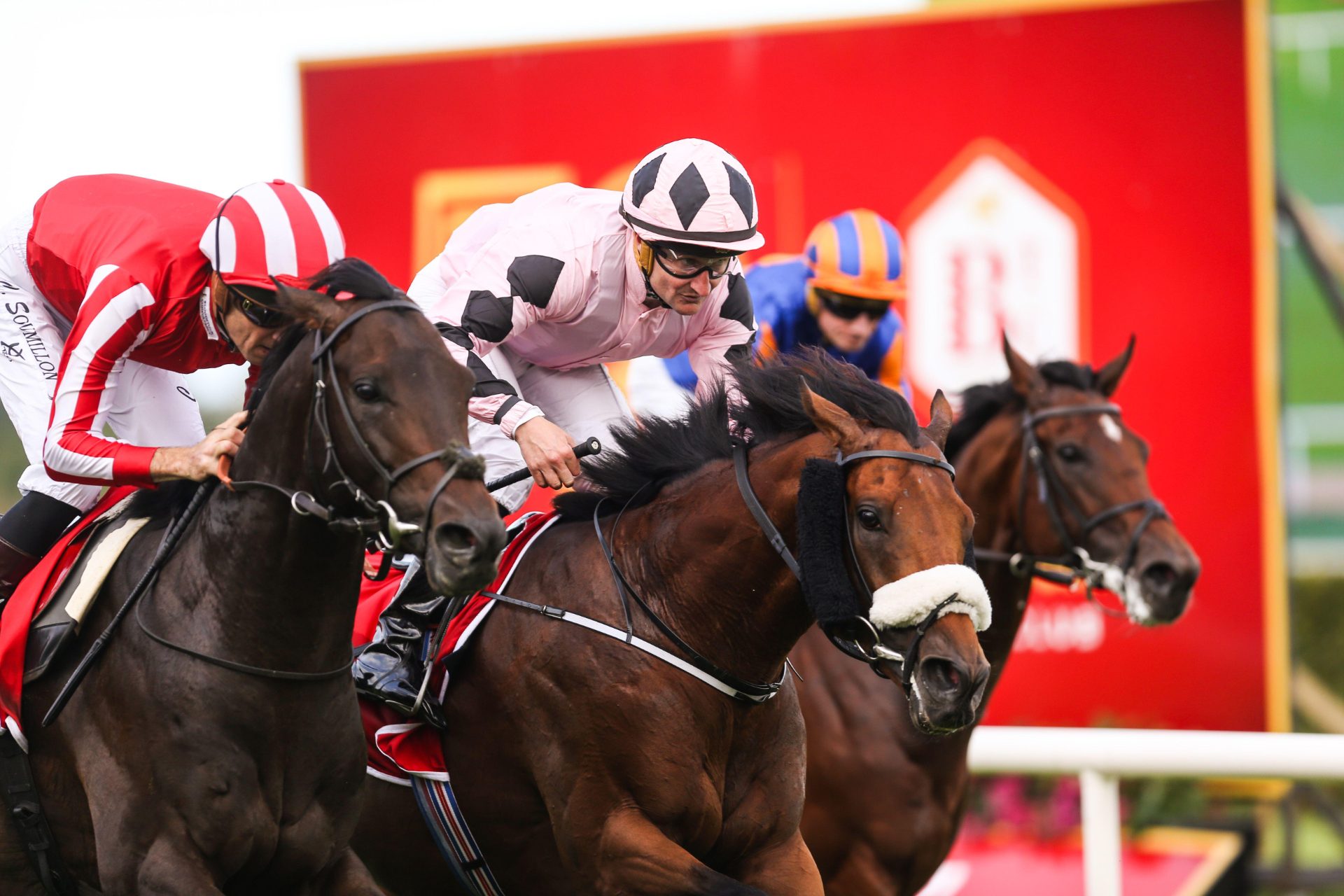
A sensible, reasonable solution may exist for cases when a horse has clearly won on merit, but the jockey is guilty of careless or dangerous riding.
The much discussed recent controversies, involving James Doyle in the Flying Childers Stakes at Doncaster and Shane Foley aboard Hotazhell in the Irish Champion Stakes at Leopardstown brought the issue into sharp focus.
Disqualifying the horse is surely not the fairest answer. If the interference did not affect the result, removing the winner penalises the owner, trainer, stable staff, and the punters who backed it - all of whom played no part in the offense - even though their horse was the legitimate winner.
So perhaps the greater sanction should solely fall on the rider responsible for the riding offence.
The mission here is to preserve the safety of horses and riders. In defense of riders, race riding incidents, however, are not always straightforward or preventable. Thoroughbred racehorses are not your Blackpool beach ponies. Many of them are highly strung, erratic, extremely strong and difficult to steer. Some hang under pressure, others can suddenly jink left or right without warning. A physical problem developing during a race can also cause a horse to drift or hang. A rider cannot always be blamed for every deviation. Often when a horse suddenly changes course in a split second, the interference may have occurred before the rider has any realistic opportunity to react. By the time the rider tries to straighten the horse, the damage may already be done.
The question is whether the rider did everything reasonably possible to correct it, even if it meant losing some forward momentum. If the stewards conclude that a jockey failed to take sufficient corrective action, they could impose a stronger penalty without disqualifying the horse and punishing innocent parties. When the interference did not affect the outcome and the horse would have won anyway, the result should stand. The jockey, however, would forfeit a share of the prize money, proportionate to the degree and severity of the offence. In blatant cases, the rider would forfeit their entire share of the prize money and receive a severe and lengthy riding ban.
This would preserve the correct result while placing the consequences directly on the rider who was at fault. Forfeiting the rider’s percentage of prize money would provide a meaningful financial deterrent without disqualifying a horse that won on merit or penalizing the horse's innocent connections.
Worth a try?
By Carl Wilson
Follow Thoroughbred People
Comments
Have your say. Please keep it civil and on the subject.
Loading comments…