Cheltenham’s False Starts – A Sensible Change, With One Important Concern
Cheltenham’s false-start problem needs addressing, but demanding a strict walking pace risks making matters worse. Fair starts require control, not perfection.
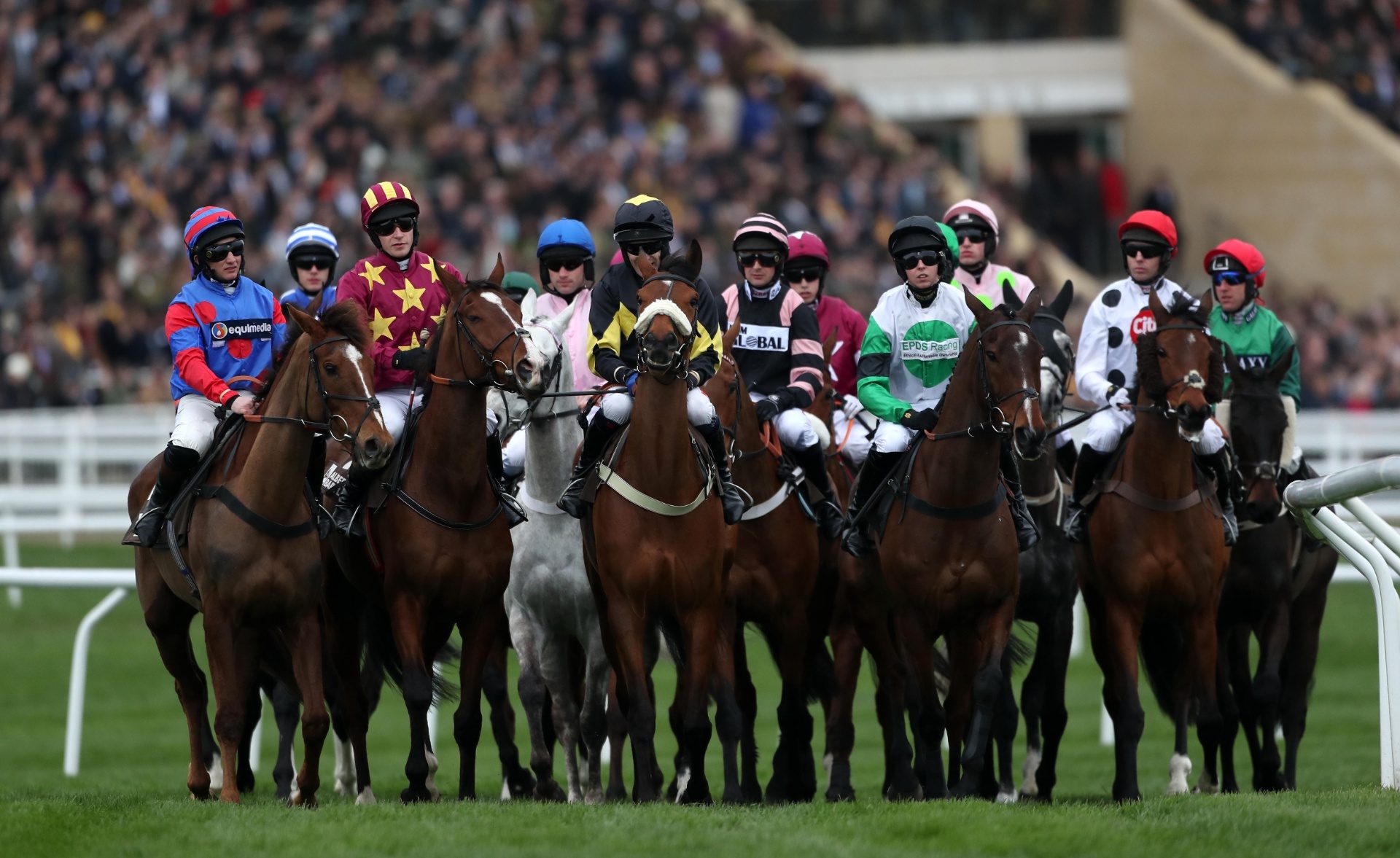
We all know that false starts have become far too prominent at the Cheltenham Festival. Nearly 40 per cent of races this year involved an aborted start, compared with only a small fraction of jump races generally. That suggests the problem is not simply the starting system itself, but the particular pressures and layouts involved at Cheltenham.
Nevertheless, the proposal to establish a clearly marked starting area, with markers positioned up to 40 yards behind the tapes, looks a sensible move. It gives jockeys a more clearly defined area in which to organise themselves, and should reduce some of the uncertainty surrounding the approach to the start, particularly where large fields are involved.
My concern is with the move towards requiring horses to approach strictly at a walk, rather than allowing the previous "walk or jig-jog".
Anyone who has spent time around fit Thoroughbred racehorses knows how difficult that can be in practice. These are highly strung horses, trained to the minute for the big occasion, surrounded by other horses in a highly charged atmosphere. Many horses can break into a "jig-jog" without being asked. Sometimes the rider can bring it back to a walk quickly; sometimes, for a few strides, the horse is simply difficult to contain.
That is a very different situation from a jockey deliberately allowing a horse to accelerate towards the tapes to gain an advantage.
There is also a danger that starters, particularly when operating under tighter instructions, can become too officious in trying to achieve an ideal start. We have all seen occasions when the desire to control every detail becomes almost as important as actually getting the race under way.
The objective surely should be a reasonably fair and orderly start, not perfection.
Flat racing provides an obvious comparison. Horses break from starting stalls every day, and they do not all leave them equally. One may anticipate the opening particularly well, another may dwell, another may stumble for a stride. Unless something improper has happened, that variation is accepted as part of racing.
If perfectly level starts cannot be guaranteed when every horse is standing in an individual stall, they certainly cannot realistically be expected when 15 or 20 highly strung jumpers are approaching a tape together.
The new 40-yard markers should help, because they provide more room and greater clarity. But the system will surely only work if starters are allowed to use common sense. A horse briefly breaking into a jig-jog should not automatically mean everyone is called back. The key questions should be whether the jockey is genuinely trying to control the horse, or whether the rider is allowing it to gain momentum and an unfair advantage. That distinction matters.
The aim should be to stop riders stealing a march on their rivals, while accepting that horses will not always approach the tape in identical fashion. If racing becomes too rigid about what constitutes the perfect walk-in, an initiative intended to reduce false starts risks producing more of them.
A fair start does not have to be a perfect start. The sooner the procedures reflect that reality, the better chance these changes have of solving the problem rather than simply replacing one frustration with another.
By Carl Wilson
Follow Thoroughbred People
Comments
Have your say. Please keep it civil and on the subject.
Loading comments…