
Charlie Poste
Charlie Poste reflects on his riding career, building Station Yard Racing with his wife Francesca, and producing young horses and jockeys.
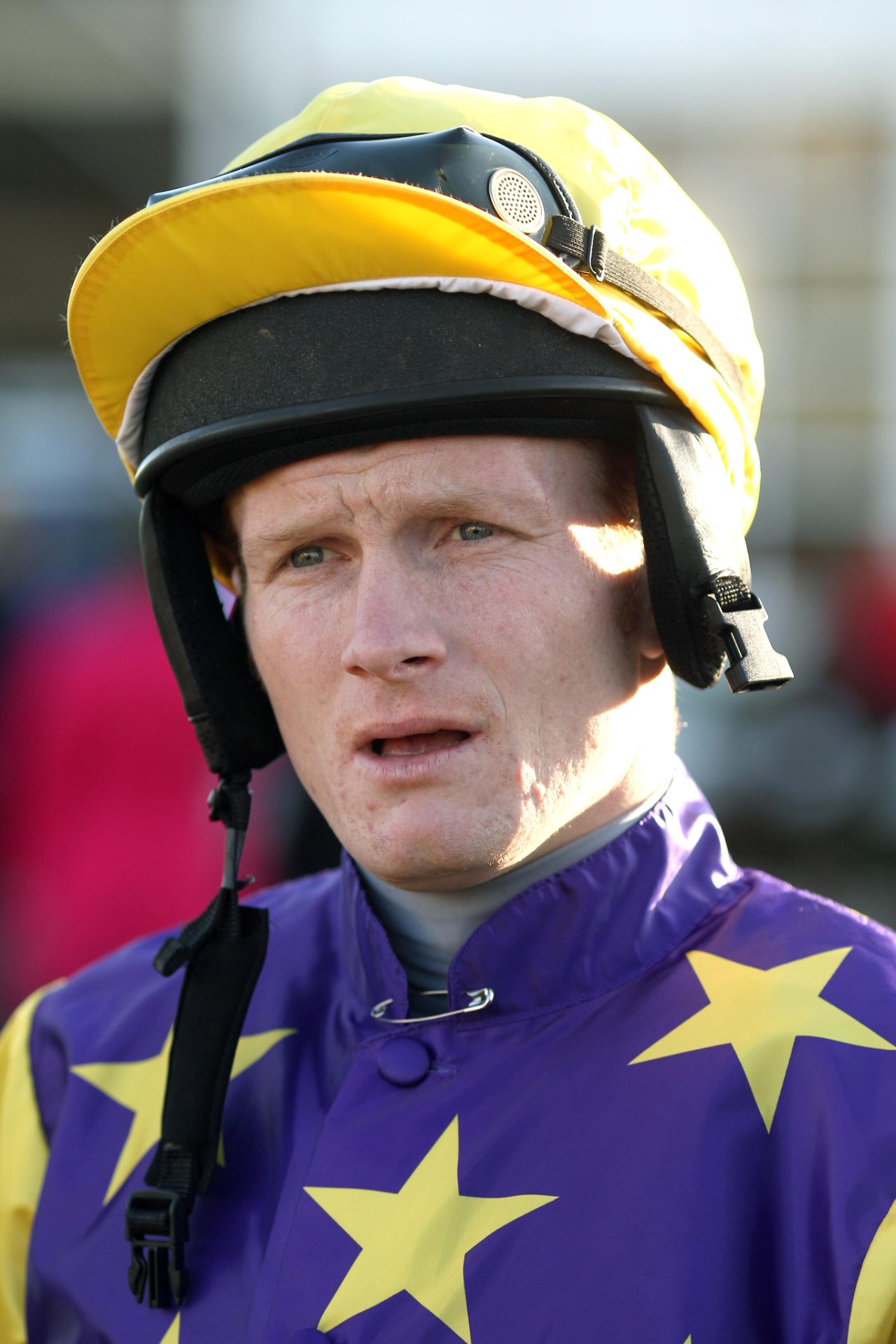
How did you first get involved in racing?
I first got involved in racing by riding out for trainer Geraldine Rees near Southport during the school holidays when I was 14. I didn’t have a particularly horsey background; I just loved sport, but when I moved up to the Wirral and had riding lessons at about age 10 or 11, it went from there. As a teenager, I did a bit of showjumping and eventing, but alongside my general obsession with sport, I was even more obsessed with racing. Our farrier at the time was Barry Oldham, racecourse farrier at Aintree for years; he connected me with Geraldine and got me riding out for her. As soon as I finished my GCSEs, I started working there full time.
Tell me about how your jockey career got started and who helped you in your early years
Geraldine got me my apprentice licence when I was 17, and I was obsessed with being a jump jockey, but at the time when I left school I was about 5ft tall and 7 ½ stone, a late developer, and Geraldine encouraged me to ride on the flat for as long as I could; she was an unbelievable mentor and employer. She was a tough taskmaster but deeply invested in you, with incredibly high standards; she wanted you to ride properly and wanted things done the right way. She’s a phenomenal rider herself, and for all that she was tough, she was fair, and she really moulded people who worked in her small team. I’m not sure the present generation has to learn in quite the same way, but I know I owe Geraldine an awful lot.
Where did you ride your first winner and how did it feel?
I had my first ride for Geraldine, and just after my 18th birthday she got me a job with Richard Fahey, who was famous for producing talented young riders like Robert Winston and Paul Hanagan at the time. Richard was still training at Butterwick then, and in my last year with him, he moved to Musley Bank; since then, he’s had over 200 horses in training at his peak. It was a much smaller team back then, but it was still up to you to learn and take them.
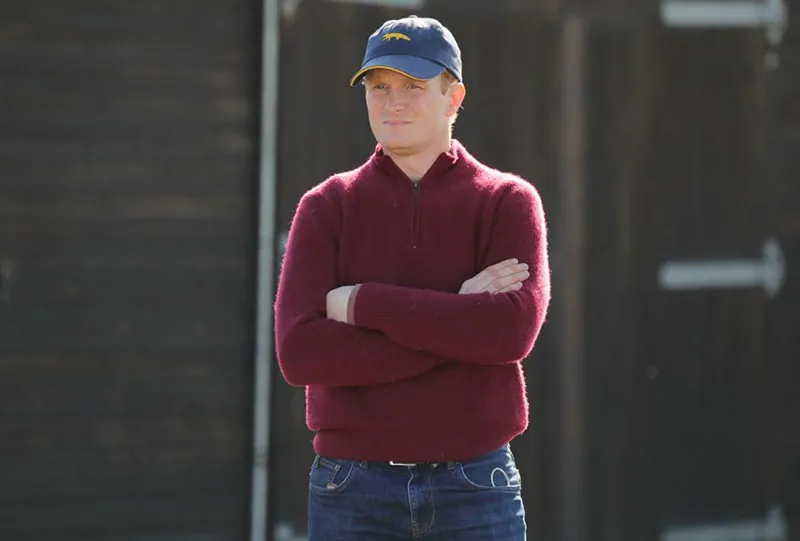 As a flat rider, I look back and wish I'd had a coach, because I was probably always too concerned with riding the perfect race rather than getting out there and riding off instinct. Still, it was an incredible experience to have 200 rides on the flat; you have to be sharp and make quick decisions that make the difference, whereas jump jockeys have more time to make those decisions.
Riding on the flat and working for Richard was another stepping stone, but I got heavy quickly; by my second year with Richard, I was struggling to do the weight, and he thought it might be the right time to switch to jumps. I possibly wish I’d stayed longer and got more experience, maybe moved to a bigger yard, but I didn’t; I went to a smaller operation and built up from there.
Tell me about your experience being an apprentice jockey to Richard Fahey
I’d had my first ride for Geraldine, and just after my 18th birthday she got me a job with Richard Fahey, who was famous for producing talented young riders like Robert Winston and Paul Hanagan at the time. Richard was still training at Butterwick then, and in my last year with him, he moved to Musley Bank; since then, he’s had over 200 horses in training at his peak. It was a much smaller team back then, but it was still up to you to learn and take them.
As a flat rider, I look back and wish I'd had a coach, because I was probably always too concerned with riding the perfect race rather than getting out there and riding off instinct. Still, it was an incredible experience to have 200 rides on the flat; you have to be sharp and make quick decisions that make the difference, whereas jump jockeys have more time to make those decisions.
Riding on the flat and working for Richard was another stepping stone, but then I got heavy quite quickly; certainly in my second year with Richard I was struggling to do the weight, and he thought it might be the right time to switch to jumps. I possibly wish I’d stayed longer and got more experience, maybe moved to a bigger yard, but I didn’t; I went to a smaller operation and built up from there.
Who was the most talented horse you rode on the flat and why?
The most talented horse I rode on the flat was a very good sprinter that Richard had at the time, called Fonthill Road. I managed to get beat on him off a relatively low mark around Wolverhampton; he was still building momentum at that stage and certainly wasn’t the horse he became, who went on to win the Gold Cup at Ayr in 2006. He placed a lot in big handicaps and group races, so I’d say he’s the most talented one on the flat in my time. I rode a few winners on a decent sprinter called Sir Sandrovitch; I won on him round Chester, which was special as Chester was my local track.
When did you switch from flat to national hunt and how did this come about?
I never really wanted to ride on the flat; I always wanted to be a jump jockey, but I was a very small 16-year-old, so it made sense to start on the flat and then, when I physically developed, switch to jumps. I suppose if I look back and were advising my younger self, I would have said to work even harder to stay light and ride on the flat for longer, as there was much more opportunity to earn a good living on the flat, but jumping was what I always wanted to do, and that wouldn’t have changed for the world.
What were your most significant winners over the jumps and why?
Winning the Welsh National in 2011 on Le Beau Bai was a great day for me. I was 28 at the time and had been riding for a long time, chipping away, riding winners but lacking big winners. By then, I knew I was only going to be a middle-ranking jump jockey, a professional who earned a living but not knocking on the door of being a top 10 rider.
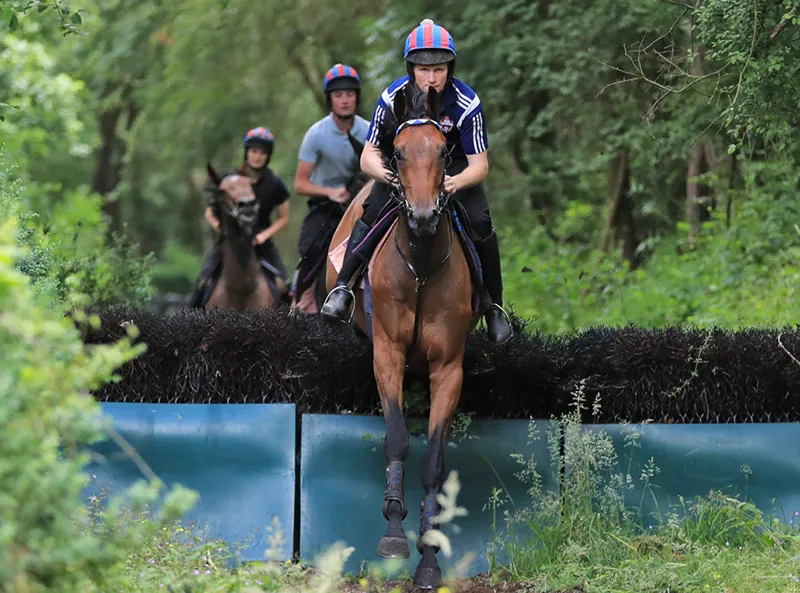 At the end of your career, you look back on your big winners, and I hadn’t had any, so the Welsh National was special because it was one of those big ones. You look at the Racing Post where it says significant victories; I hadn’t had any until then, so it was making sure I was always going to have one if nothing else.
Another big day was winning the Classic Chase at Warwick on Russe Blanc for Kerry Lee. Owner of Russe Blanc, Mark Jackson, had been a big supporter of mine so winning that race for him was massive.
Another significant winner was Ikorodu Road, who won a Grimthorpe and a big chase at Newbury for Matt Sheppard, a really underrated trainer throughout his career. I rode him a lot of winners on very ordinary horses, and it was great for him because Ikorodu Road was a really nice horse and he did an unbelievable job with him.
Robert and Claire Dicken were some of my biggest supporters throughout my career. Thomas Crapper stands out for me, winning a Greatwood Gold Cup and having winners at Cheltenham. He was a fantastic horse, brilliantly campaigned, and they really capitalised on his ability. Another of their horses was Restless Harry. For all that, I rode him towards the end of his career; he was a real talent, won a listed chase at Ascot, and was a multiple graded winner over hurdles. Henry Oliver did a great job riding him, and it was nice to get on him towards the end and win a couple of good ones.
Who was the most talented horse you rode over jumps and why?
The most talented horse I rode over jumps was Restless Harry, for sure. He could run in those Grade 1s; he was a very good horse.
A good horse who came along early in Kerry Lee’s career was Kylemore Lough. I won a couple of Novice Hurdles on him and rode him in an Albert Bartlett at the Cheltenham Festival. I didn’t ride him when he went onto his big days, but he was a good horse and won a Grade 1 Novice Chase at Fairyhouse.
Your riding career spanned nearly 20 years, how did the industry change over time and how did that affect you?
Jockey Welfare definitely became a focus; riders started really structuring their fitness and weight management, all that sort of thing, but I don’t think it affected me much. I always took fitness seriously and did a lot of work outside the sport.
You have to adapt and evolve in life; by nature, you start out young and full of enthusiasm, then you get older, see the young ones coming through, and your time comes to a close. I don’t think I enjoyed it any more or any less throughout my career. Everyone comes into racing wanting to be a champion jockey and ride all the big ones, but my career wasn’t that; it was one of longevity through working hard, riding moderate horses, and doing the best you can on those horses to build up a reputation for being someone who would give it their all every ride.
I look back on my time, and I was probably the last generation that had an unbelievable amount of fun doing it; we were all mates, kicking along together and enjoying life as well as the ride.
Tell me about your decision to retire and what step you took next
Francesca and I moved to Station Yard in Warwickshire. The number of horses grew quickly, so I spent more time riding out at home, and if you want to be busy as a jockey, your dedication to riding out at various yards has to be relentless to create opportunities, and I wasn’t doing that, so the rides were becoming less and less. Towards the end of my career, only Robin Dicken was really supporting me in any great number, because I was still riding out for them.
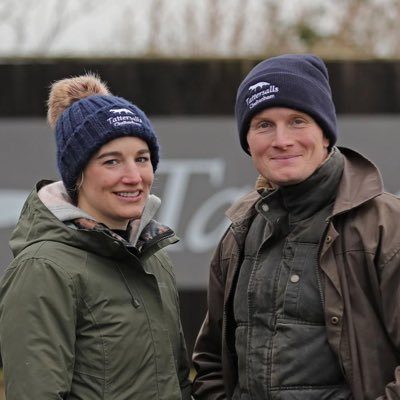 I still loved the buzz of competition and the adrenaline of it all. I was grateful my bottom was still rock solid; I still ride in schooling races now and break in all the horses at home. I was getting tired of the driving, the weight management, and being away from home, so it was an easy decision to step back because another career was already waiting for me with Francesca, which I feel very grateful for.
Tell me about the early days of Station Yard Racing, a successful business you have built with wife Francesca
Station Yard started with Francesca training her own pointer called Magic Sky, who won four races with her in the saddle too, and she was asked if she would train a couple of other horses. I was helping her with that, and we had the odd breaker too. We were gifted half a share in a Kayf Tara horse from Aiden Murphy called Fortunata Fashions; she won on debut very impressively. We sold her at Cheltenham for £55,000, a huge amount of money for us at the time, and reinvested it in buying a couple more horses.
We got to a stage where we were training horses for a guy called John Funnels on a little small holding with a grass bank, hacking them over to Edgcote to use the gallops. We decided we wanted some proper facilities. Alex Taylor, our farrier, said that Fred Hutsby’s place was empty, and that's how Station Yard came about. We moved with eight horses and now, at peak operation, have around 70 horses in work. It has grown organically, and Francesca and I are very proud of what we have built and the team we have built.
You're heavily involved in producing young horses through British point-to-points, how important is pointing to rules racing from your perspective?
Pointing is hugely important to jump racing, and I think we need to cultivate it even more. The two sports are intertwined. I would hazard a guess that well over 50% of our jump jockeys in Britain started out pointing. I look back on my own career and think it would have been great to ride in points before I got a professional licence. I think it's very much an academy for young riders; there’s a lot of talented people producing young horses through pointing, and I think it definitely serves a purpose. It produces young horses, young riders and young trainers, and of course offers an outlet for older horses to carry on their careers while educating young riders. Pointing transcends the sport and offers opportunities for horses, riders and trainers at either end of their career. The tie between pointing and jumps racing should be even stronger, especially now, when the sport as a whole has to stand together and be proud of what we have. British pointing punches well above its weight as a producer of young horses, given the numbers that come through our system.
The jockeys who have come through in recent years, the Bowen brothers, Jack Tudor- I could go on and on about the riders who have come through the system. Then you look at the trainers, Max Comley, Tom Ellis, among others, who are punching well above their weight in the professional ranks and have all learnt their trade through pointing.
Tell me about some of your exciting young horses at home and which ones are you most excited to get on the track soon?
We probably have half a dozen four-year-olds and eight or nine three-year-olds in at the moment. Horses on the track that are running now to get excited about are Country Mile and Royal Infantry with Dan Skelton. Dan has been a massive supporter, and sees a lot of value in British pointers early on and has had great success with them. Such as Third Time Lucki, who ran at Grade One level, but that's because he’s brave enough to put his hand up and buy them.
The four-year-olds coming through this Autumn are nice; we have a lovely Doctor Dino who's working well at the moment, a very exciting Goliath de Berlais, and if it all clicks for him, he should end up very valuable. Another one by Gary du Chenet, called Dean Gary, ran once last year but was disappointing; we found out why, and fingers crossed he can put that right this Autumn. It's still early days for the three-year-olds, but they seem a very sharp bunch, and Francesca and I are very excited about them moving into the Spring.
Tell me about your role with the Point to Point Owners & Riders Association (PPORA)
I became Chairman of the PPORA a few years ago now, and it came about basically because I didn’t say no quick enough. I was asked if I was interested, and I said I was open to a conversation, and before you knew it, it was announced I was the new Chairman. But I’m a big believer that whatever you get out of life, you should put back; Pointing has given Fransca and me so much, and so being involved in the PPORA feels like I’m putting back.
My role represents the owners and riders within pointing, and I’d like to think we've done a lot in the last few years to make a difference. I couldn’t have done it without Steph Jones, Vice Chairman; she really deserves the credit, and I’m just ticking the boxes, with a very enthusiastic committee making it all happen too. We award grants to struggling fixtures and keep doing different things to support riders and owners. It does take time, but as I said, it is essential to have a body that represents owners and riders.
Station Yard has a great reputation for producing young jockeys as well as horses. How long have you been a jockey coach?
Producing young jockeys through Station Yard is something Francesca and I are massively passionate about. Yes, we want talented horses, but we also want talented people to come through our system, and we invest a lot of time in it. I hope plenty of people who have been with us appreciate how we helped them along the way, and that they worked hard for us, too. They give us plenty of hard work, and we give back with time and education.
Alice Stevens was probably our first; she was Champion Novice rider. It went right down to the wire at Umberleigh point-to-point; we ran a horse in an Open, and she won the race to win the title outright, which was magical, and she’s gone on to do well under rules. Luke Scott rode his first winner for us and had a few winners between the flags for us before going on to ride successfully under rules. Amber Jackson-Fennell was working for the yard when she was Champion Novice. Clara Brewitt has been heavily involved with the yard over the last couple of years; although not directly employed by us, we gave her a few winners when she won the Novice title too.
Right now we have a great girl on the yard, Cerys Sheehy, who rode a few winners last year. She’s an unbelievable worker, and she's been with us since she was 14, so Francesca and I try to give her more opportunities, and we’ll see if we can do the same to support her as a successful jockey.
Beyond that, it's also about producing people through the yard. Annabelle Willis, who started out with us as a teenager, has gone on to look after Arc de' Triomphe winner Alpinista and is pupil assistant at Ed Dunlop now. We want people to do well across the board and realise their dreams and aspirations; we want to help anyone who wants to work hard.
My role as a jockey coach came about through my passion for helping the next generation. I did my qualifications after I retired from riding, and I really enjoy it. I now coach Luke Scott as a professional and Tristan Durrell. I was very proud to be working with Tristan, Champion Conditional; to see him go on and win that title was so special. He’s a young man, but he’s proper old school; he has done the hard yards at Dan Skelton’s. They’ve mentored him, and now he’s winning Grade Ones. He is unbelievably hard-working and is so talented; he deserves all the success.
Tell me about your recent success with producing horses for the Tattersalls Craven Breeze-Up Sale and how this new business venture came about
The Breeze-Ups is something we had been watching from afar for a couple of years; we kept saying we wanted to get involved and, through a mate of ours, Conor Shoemark and a couple of others who were interested, we decided to dip our toe in and have a go.
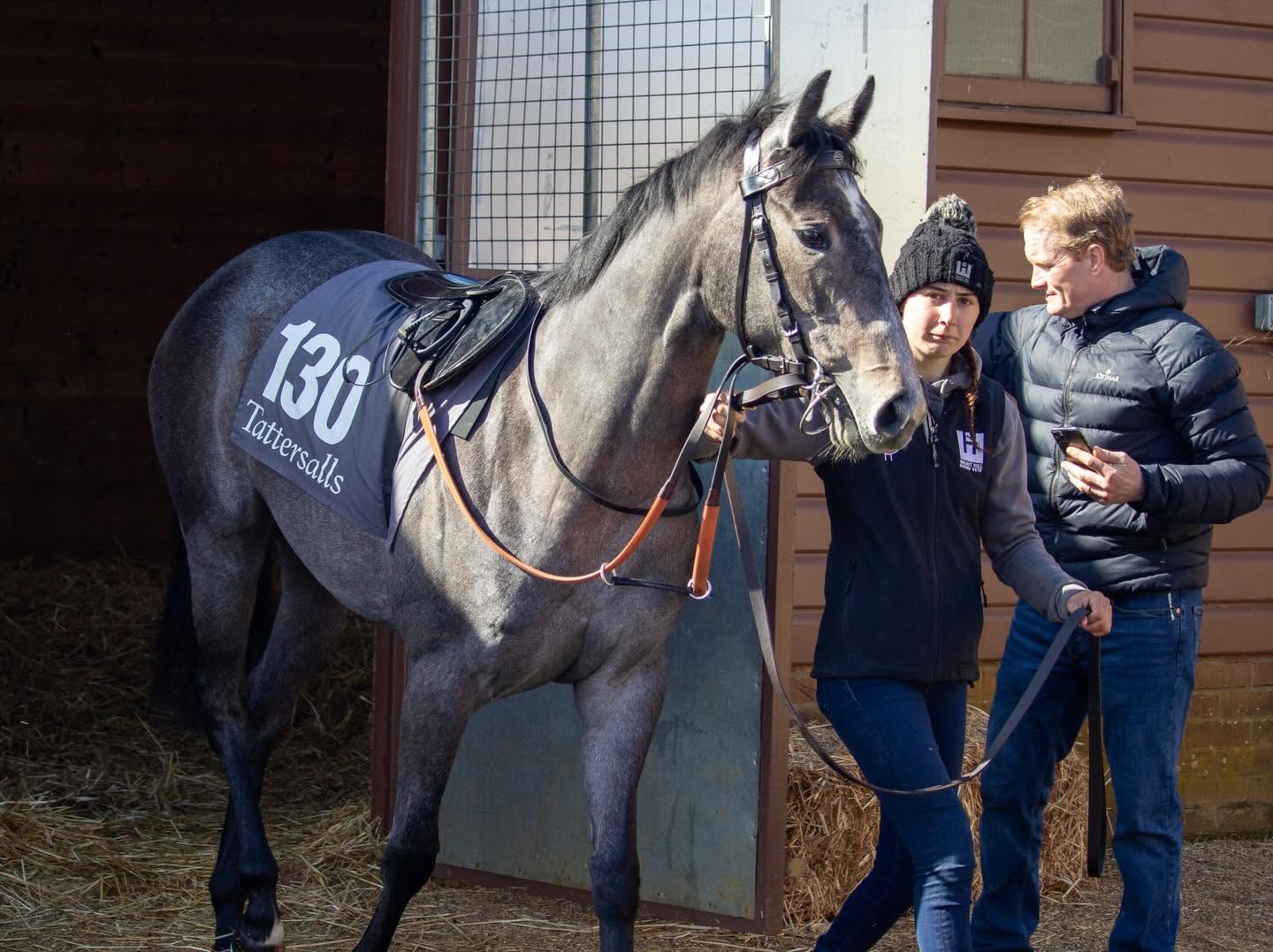 Year one couldn't have gone any better; we knew we were going to the sales with a sharp horse in the Blue Point colt, but never in our wildest dreams did we think he'd breeze the fastest and sell for the money he did, (800,000 guineas), to Godolphin. He did go on to win for Godolphin, but he didn't really work out for them in the long run; however, he's gone on to be a very talented horse for Ed Bethell and has recently run in Group One company. We were actually in Longchamp when Corolla Point ran in the Prix de l'Abbaye in October, and he looks like a real Group One class sprinter, and we look forward to following him next year.
Starting the Breeze Ups felt like a natural progression and another potential revenue stream, yet still fraught with risk when buying and selling horses. We get a real kick out of producing these horses, and it's so exciting to be involved; it seems to have fit naturally with what we already do in the yard, and the team have loved the process too, dealing with these incredibly fast young horses. It's another way for us to be recognised as an academy producing talented young horses for the racing system.
Alongside Corolla Point, Shine On Me has been running in some nice races for Archie Watson. Hidden Gift also looks like a very exciting filly. It’s all something we can continue to develop and learn about alongside the pointers, and they both blend well together. Off the back of the Breeze Ups, Archie Watson has become a massive supporter of the yard, so we have been doing a lot of his breakers and yearlings as well.
You're still involved in racing under rules but now from behind the microphone, how did you become a pundit for BBC Radio 5 Live?
When Luke Harvey went to work for ITV, Andrew Thornton threw my name in the ring, so I did some features for the Cheltenham Festival and some part-time work while I was still riding, and I’ve carried on since I fully retired from race riding. I love working in the commentary box; it's very exciting doing the mid-race analysis and being part of the team as a whole. BBC Radio 5 Live is an institution, something I grew up with, and now I’ve worked with them at Cheltenham, Aintree, Royal Ascot, Welsh National and The King George; it's such a great buzz.
I’ve also done various work for Sky and also some podcasts; variety is so important in life, and it stops the work getting stale. I enjoy staying involved and talking about situations that present themselves in races and the other side of it like the pressing matters in racing.
Favourite racing commentator and why
My favourite commentator is incredibly easy: John Hunt by a country mile. Working alongside him, I marvel at his skill set and his ability to create excitement and make the race come alive to people that are listening through a radio. On top of all that, he's just the best man that anyone could ever wish to meet after everything that he's been through; I just marvel at the man. I mean, he's the most unbelievable human being; words can't really express how much I admire John Hunt.
Favourite racing presenter and why
Nick Luck is unbelievable; I probably think he was unlucky to not get the ITV job. For all that, Ed does a good job, but I think Nick is possibly the best presenter across the board. I’ve worked a lot with Dave Orton; he’s full of enthusiasm and brings a lot of colour to it all. Matt Chapman is excellent, incredibly switched on; you have to be on your money when you’re working with Matt. He’s fun in a different way, which I think is good for racing too.
Favourite jockey that has hung up their boots and why
I was fortunate enough to ride with an unbelievable generation of jockeys: AP, Richard Johnson, Ruby Walsh, Barry Geraghty, Davy Russell, Timmy Murphy, Paul Moloney, but the one that stands out the most as my hero growing up was Richard Dunwoody. He was such a natural rider, so stylish, so brilliant over an obstacle.
Favourite up-and-coming jockey to watch and why
I think Tristan Durrell has a lot of natural talent, but he’s also an example of someone who's worked incredibly hard and done the hard yards. There are few things a rider can do well without talent: be on time, work hard, go racing, be fit, and Tristan ticks those boxes. Add a bit of talent and application, and it shows what you can do; he is a great role model for young riders coming into the sport. He’s a huge part of the Dan Skelton team. I really hope that one day when Harry steps down, Tristan will be in a good position to take that role, but for now he knows he needs to keep improving, and he has a relentless desire to do that.
Finally, what concerns you about the sport today and what can we do to improve the racing product and experience?
A lot concerns me about the sport today; I think racing faces a huge amount of challenges in the years to come. I think racing has to be careful not to try to appease and submit to the appeasable and forget about the people that actually love the sport. All we’re doing is trying to make friends with people that are never going to accept us. We have a great product, we should be proud of it, and we should stand up for it. I’d also like racing to get more behind the betting industry; I feel racing has let betting become a taboo subject.
Simon Cox, who recently became Chairman of the BHA, has a huge task on his hands because a big challenge is trying to get all the parties in racing to pull together for the greater good, put aside their egos, get off their own soap boxes and realise we all need to work together to make the product better and not to service what we have now, which is a reduced number of horses and levels of prize money, which is pitiful.
People should be expecting that if they win a couple of races every year, then they can at least cover their training fees, and that should be a minimum requirement. I mean, ideally you would rip up the playbook, start from scratch, and create a sport that fits where we are today, but that’s never going to happen. Personally, I would be looking at reducing fixtures, focusing even more on the big days, and creating a sport that we can really get behind and drive forward in the current global market.
By Sophie DaviesThoroughbred People Contributor
Follow Thoroughbred People
Comments
Have your say. Please keep it civil and on the subject.
Loading comments…